The Enterprise-class Routers in Data Centers
2024-07-12
Introduction
Enterprise-class routers are fundamental components in the infrastructure of modern data centers, ensuring the seamless flow of data, enhancing security, and enabling robust connectivity. These routers are designed to handle high volumes of traffic, support complex routing protocols, and provide advanced features that are crucial for the efficient operation of data centers. This essay delves into the various applications of enterprise-class routers in data centers, exploring their roles in network management, security, scalability, and performance optimization.
Network Management
One of the primary applications of enterprise-class routers in data centers is network management. These routers facilitate efficient data traffic management and ensure that data packets are routed correctly between different segments of the network. Key aspects include:
- **Routing and Switching**: Enterprise-class routers perform both routing and switching functions, enabling the movement of data packets across different subnets and VLANs within the data center.
- **Load Balancing**: These routers can distribute network traffic evenly across multiple servers, preventing any single server from becoming a bottleneck and ensuring optimal resource utilization.
- **Quality of Service (QoS)**: Enterprise-class routers prioritize network traffic based on predefined policies, ensuring that critical applications receive the necessary bandwidth and low latency.
- **Traffic Monitoring and Analysis**: Advanced monitoring tools allow administrators to track network performance, identify potential issues, and optimize traffic flow in real-time.
- **Load Balancing**: These routers can distribute network traffic evenly across multiple servers, preventing any single server from becoming a bottleneck and ensuring optimal resource utilization.
- **Quality of Service (QoS)**: Enterprise-class routers prioritize network traffic based on predefined policies, ensuring that critical applications receive the necessary bandwidth and low latency.
- **Traffic Monitoring and Analysis**: Advanced monitoring tools allow administrators to track network performance, identify potential issues, and optimize traffic flow in real-time.
Security
Security is a paramount concern in data centers, and enterprise-class routers play a crucial role in safeguarding the network. They incorporate various security features to protect against threats and unauthorized access. Important security functions include:
- **Firewall Protection**: Enterprise-class routers come with integrated firewalls that monitor incoming and outgoing traffic, blocking malicious data packets and unauthorized access attempts.
- **Virtual Private Network (VPN) Support**: These routers support VPNs, allowing secure remote access to the data center’s resources. This is especially important for organizations with remote employees or multiple branch offices.
- **Intrusion Detection and Prevention Systems (IDPS)**: Enterprise-class routers can detect and prevent unauthorized activities and attacks by continuously monitoring network traffic for suspicious patterns.
- **Access Control Lists (ACLs)**: ACLs enable administrators to define rules that control which users or devices can access certain parts of the network, enhancing internal security.
- **Virtual Private Network (VPN) Support**: These routers support VPNs, allowing secure remote access to the data center’s resources. This is especially important for organizations with remote employees or multiple branch offices.
- **Intrusion Detection and Prevention Systems (IDPS)**: Enterprise-class routers can detect and prevent unauthorized activities and attacks by continuously monitoring network traffic for suspicious patterns.
- **Access Control Lists (ACLs)**: ACLs enable administrators to define rules that control which users or devices can access certain parts of the network, enhancing internal security.
Scalability
Data centers need to be highly scalable to accommodate growing volumes of data and increasing numbers of connected devices. Enterprise-class routers facilitate this scalability through various features:
- **Modular Design**: Many enterprise-class routers are designed with modular architectures, allowing for easy upgrades and expansions. This means additional modules can be added to increase capacity without replacing the entire router.
- **High Port Density**: These routers offer a high number of ports, supporting numerous devices and connections. This is essential for data centers that handle extensive networking requirements.
- **Support for High-Speed Connectivity**: Enterprise-class routers support high-speed Ethernet standards (such as 10GbE, 40GbE, and 100GbE), ensuring they can handle increasing data transfer rates.
- **Cloud Integration**: As more data centers adopt hybrid and multi-cloud environments, enterprise-class routers support seamless integration with various cloud services, enabling scalability across on-premises and cloud-based resources.
- **High Port Density**: These routers offer a high number of ports, supporting numerous devices and connections. This is essential for data centers that handle extensive networking requirements.
- **Support for High-Speed Connectivity**: Enterprise-class routers support high-speed Ethernet standards (such as 10GbE, 40GbE, and 100GbE), ensuring they can handle increasing data transfer rates.
- **Cloud Integration**: As more data centers adopt hybrid and multi-cloud environments, enterprise-class routers support seamless integration with various cloud services, enabling scalability across on-premises and cloud-based resources.
Performance Optimization
Optimizing network performance is critical for data centers to ensure the efficient handling of large volumes of data and high traffic loads. Enterprise-class routers contribute significantly to performance optimization through:
- **Advanced Routing Protocols**: These routers support a variety of advanced routing protocols (such as OSPF, BGP, and EIGRP) that enable efficient and dynamic routing of data packets, improving network efficiency.
- **Redundancy and Failover**: Enterprise-class routers often include features for redundancy and failover, ensuring continuous network operation even in the event of hardware failures or other disruptions. This is achieved through techniques like link aggregation, VRRP, and MPLS.
- **Network Virtualization**: Routers enable network virtualization, allowing multiple virtual networks to operate on the same physical infrastructure. This helps in optimizing resource utilization and provides flexibility in network management.
- **Traffic Shaping and Policing**: By controlling the rate of data transmission and enforcing bandwidth policies, enterprise-class routers help in managing network congestion and ensuring fair resource allocation among applications.
- **Redundancy and Failover**: Enterprise-class routers often include features for redundancy and failover, ensuring continuous network operation even in the event of hardware failures or other disruptions. This is achieved through techniques like link aggregation, VRRP, and MPLS.
- **Network Virtualization**: Routers enable network virtualization, allowing multiple virtual networks to operate on the same physical infrastructure. This helps in optimizing resource utilization and provides flexibility in network management.
- **Traffic Shaping and Policing**: By controlling the rate of data transmission and enforcing bandwidth policies, enterprise-class routers help in managing network congestion and ensuring fair resource allocation among applications.
Data Center Interconnect (DCI)
Enterprise-class routers play a vital role in Data Center Interconnect (DCI) solutions, which connect multiple data centers to function as a single cohesive entity. This is essential for:
- **Disaster Recovery and Business Continuity**: DCI ensures that data is replicated across multiple locations, providing redundancy and enabling quick recovery in case of a disaster.
- **Workload Mobility**: With DCI, workloads can be moved seamlessly between data centers, facilitating load balancing and resource optimization.
- **Centralized Management**: DCI allows for centralized management of network resources across multiple data centers, simplifying administration and reducing operational complexity.
- **Scalable and Resilient Connectivity**: Enterprise-class routers provide high-bandwidth, low-latency connections between data centers, ensuring that inter-data center traffic is handled efficiently.
- **Workload Mobility**: With DCI, workloads can be moved seamlessly between data centers, facilitating load balancing and resource optimization.
- **Centralized Management**: DCI allows for centralized management of network resources across multiple data centers, simplifying administration and reducing operational complexity.
- **Scalable and Resilient Connectivity**: Enterprise-class routers provide high-bandwidth, low-latency connections between data centers, ensuring that inter-data center traffic is handled efficiently.
Support for Emerging Technologies
The rapid advancement of technology necessitates that data centers are equipped to support emerging trends and innovations. Enterprise-class routers are designed to meet these demands by:
- **IPv6 Support**: As the adoption of IPv6 grows, enterprise-class routers ensure compatibility and facilitate the transition from IPv4 to IPv6.
- **Software-Defined Networking (SDN)**: These routers often integrate with SDN controllers, allowing for programmable and flexible network management.
- **Network Function Virtualization (NFV)**: Enterprise-class routers support NFV, enabling the virtualization of various network functions, which reduces reliance on physical hardware and enhances agility.
- **5G and IoT Integration**: With the proliferation of 5G networks and IoT devices, enterprise-class routers ensure that data centers can handle the increased connectivity and data traffic associated with these technologies.
- **Software-Defined Networking (SDN)**: These routers often integrate with SDN controllers, allowing for programmable and flexible network management.
- **Network Function Virtualization (NFV)**: Enterprise-class routers support NFV, enabling the virtualization of various network functions, which reduces reliance on physical hardware and enhances agility.
- **5G and IoT Integration**: With the proliferation of 5G networks and IoT devices, enterprise-class routers ensure that data centers can handle the increased connectivity and data traffic associated with these technologies.
Conclusion
Enterprise-class routers are indispensable in modern data centers, providing robust network management, enhanced security, scalability, and performance optimization. They support critical applications such as data center interconnect, disaster recovery, and the integration of emerging technologies. As data centers continue to evolve to meet the growing demands of digital transformation, enterprise-class routers will remain at the core of ensuring reliable, secure, and efficient network operations. Their ability to adapt to new technologies and scale with increasing data loads makes them a crucial component in the infrastructure of any modern data center.
Data Center Switch VS Campus Switch: An In-depth Comparison
Starlink Launches Diversified Business
Artículo relacionado
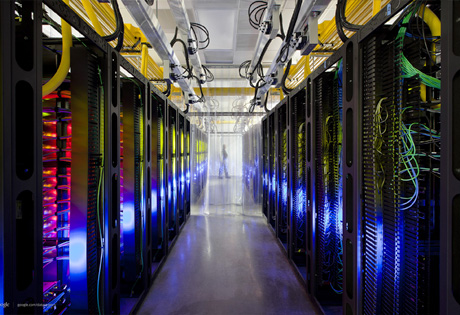
By the end of 2024, there will be 5,697 public data centers worldwide, including 5,186 colocation sites and 511 hyperscale sites.
Global Data Center Status and Trends

By the end of 2024, there will be 5,186 colocation data centers worldwide. With a compound annual growth rate (CAGR) of 6.6%, the number of colocation data centers will increase to 7,640 by 2030.
Where are The World's Data Centers?