How to choose Electrical or Optical Module?
2024-09-27
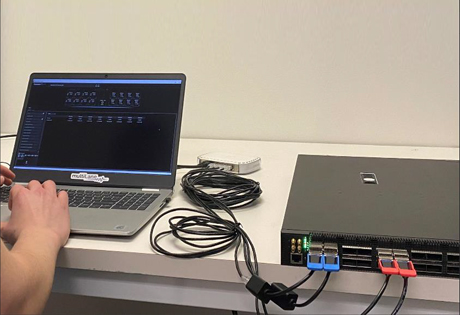
The optical-to-electrical module converts optical signals into electrical signals, and is also called an electrical module. Its interface type is RJ45. The optical-to-electrical module is a hot-swappable module, and its package types include SFP, SFP+, GBIC, etc. The electrical module has the characteristics of low power consumption, high performance, and compact design. According to the different rates of the optical-to-electrical module, it can be divided into 100M optical-to-electrical module, 1000M optical-to-electrical module, 10G optical-to-electrical module, and adaptive optical-to-electrical module. Among them, the 1000M optical-to-electrical module and the 1000M optical-to-electrical module are the most widely used.
The 1000BASE SFP electrical module has a 1000Base SFP electrical port module and a 10/100/1000BASE adaptive SFP electrical port module. The transmission distance is 100m. The 1000BASE electrical port module is widely used in Gigabit Ethernet. One end of the 1000BASE optical-to-electrical module uses an electrical port (RJ45), and its interface is connected to the network cable. It has good conduction performance and a self-locking function, which can effectively prevent the connected network cable from loosening and falling off.
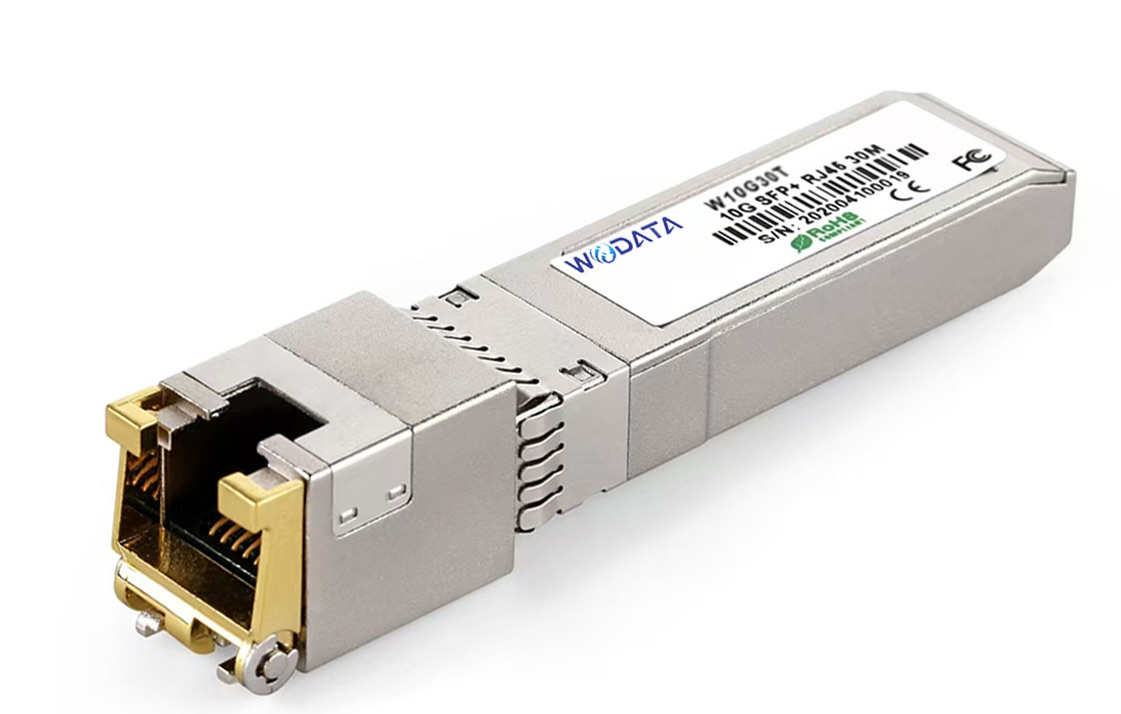
The 10G optical-to-electrical module is also known as the 10G SFP+ electrical port module. It has a transmission rate of 10G and a transmission distance of 30m. This module is designed for high-speed communication links. Compared with ordinary optical modules, the power consumption of the 10G optical-to-electrical module is half of that of ordinary optical modules, and its performance is stable. It can realize a 10G transmission network through a network cable and is widely used in 10G Ethernet.
The choice of electrical port module or optical module mainly depends on the needs of the application scenario.
Electrical port modules are suitable for short-distance, low-power, and low-cost scenarios. They are connected through RJ45 interfaces and are usually transmitted with network cables. The maximum transmission distance is 100 meters. The electrical port module has no laser, so the power consumption is low and it is suitable for use in copper cable wiring architecture. In practical applications, the electrical port module can directly realize high-speed data transmission in the existing copper cable wiring system and reduce deployment costs. For example, when the link distance between devices inside the data center is between 10 meters and 100 meters, the electrical port module is a better choice.
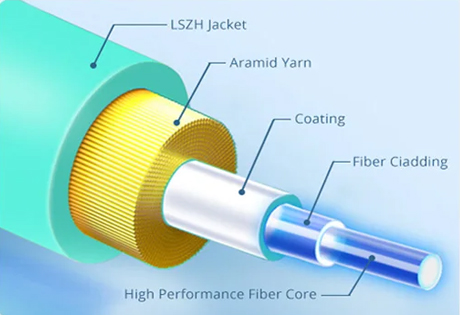
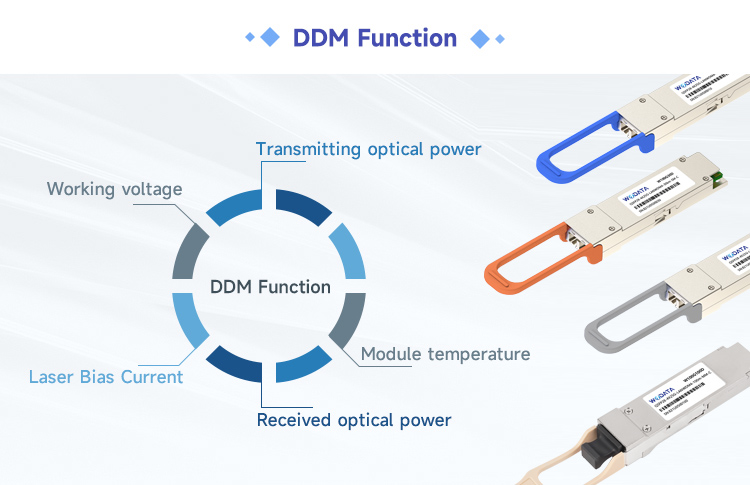
Optical modules are suitable for long-distance, high-speed, and high-performance scenarios. They are connected through interfaces such as LC, SC, and MPO, and need to be transmitted with fiber optic patch cords. The transmission distance can reach more than 100 kilometers. The optical module contains a laser inside, so it is suitable for fiber optic cabling architecture and can meet the needs of long-distance and high-speed data transmission. The operating wavelength of the optical module is usually 850nm, 1310nm or 1550nm, with DDM information, which is suitable for scenarios requiring long-distance transmission or high-speed data.
In summary, if it is in a short-distance, low-cost scenario, the electrical port module is a more suitable choice; for scenarios requiring long-distance transmission or high-speed data, the optical module is more preferred. The choice should be made based on the specific application requirements and budget.
Where are The World's Data Centers?
Electrical Loopback Module for Switch Port Testing
Artículo relacionado
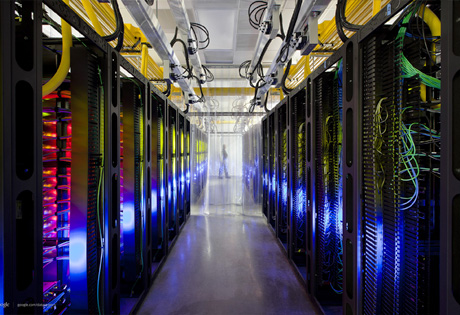
By the end of 2024, there will be 5,697 public data centers worldwide, including 5,186 colocation sites and 511 hyperscale sites.
Global Data Center Status and Trends

By the end of 2024, there will be 5,186 colocation data centers worldwide. With a compound annual growth rate (CAGR) of 6.6%, the number of colocation data centers will increase to 7,640 by 2030.
Where are The World's Data Centers?