The Application Devices of Optical Modules
2024-07-26
Optical modules, also known as transceivers, are integral components in modern communication networks. These modules convert electrical signals into optical signals (and vice versa) to facilitate high-speed data transmission over optical fiber cables. The application devices of optical modules span across various fields and industries, each leveraging the advantages of optical communication for different purposes. This comprehensive explanation covers the primary application devices of optical modules, highlighting their roles and significance.
1. Data Centers
Role of Optical Modules
Data centers are the backbone of modern digital infrastructure, hosting servers and storage systems that handle vast amounts of data. Optical modules are essential in these environments for:
- High-Speed Connectivity: Optical modules support high-speed connections between servers, storage devices, and networking equipment.
- Scalability: As data centers grow, optical modules enable scalable network architectures that can handle increasing data loads.
- Low Latency: Optical communication reduces latency, crucial for real-time data processing and applications.
- Scalability: As data centers grow, optical modules enable scalable network architectures that can handle increasing data loads.
- Low Latency: Optical communication reduces latency, crucial for real-time data processing and applications.
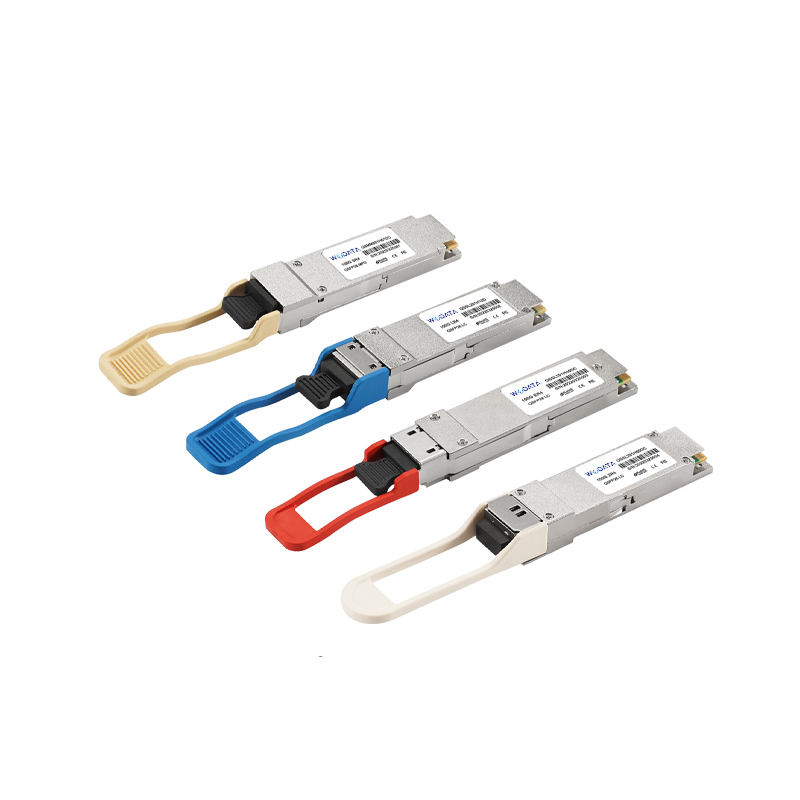
Common Optical Modules
- SFP (Small Form-factor Pluggable): Commonly used in 1G and 10G networks for short-range and long-range communication.
- QSFP (Quad Small Form-factor Pluggable): Supports 40G and 100G networks, ideal for high-density data center applications.
- CFP (C Form-factor Pluggable): Used for 100G networks, offering long-distance transmission capabilities.
- QSFP (Quad Small Form-factor Pluggable): Supports 40G and 100G networks, ideal for high-density data center applications.
- CFP (C Form-factor Pluggable): Used for 100G networks, offering long-distance transmission capabilities.
2. Telecommunications
Role of Optical Modules
Telecommunication networks rely heavily on optical modules to ensure efficient and reliable communication. Key roles include:
- Long-Distance Transmission: Optical modules enable long-distance data transmission with minimal signal loss, essential for connecting cities and countries.
- High Bandwidth: Optical communication supports high bandwidth, accommodating the growing demand for data services like internet, video streaming, and VoIP.
- Network Upgrades: Optical modules facilitate the transition from older copper-based networks to modern fiber-optic networks, enhancing performance and capacity.
- High Bandwidth: Optical communication supports high bandwidth, accommodating the growing demand for data services like internet, video streaming, and VoIP.
- Network Upgrades: Optical modules facilitate the transition from older copper-based networks to modern fiber-optic networks, enhancing performance and capacity.
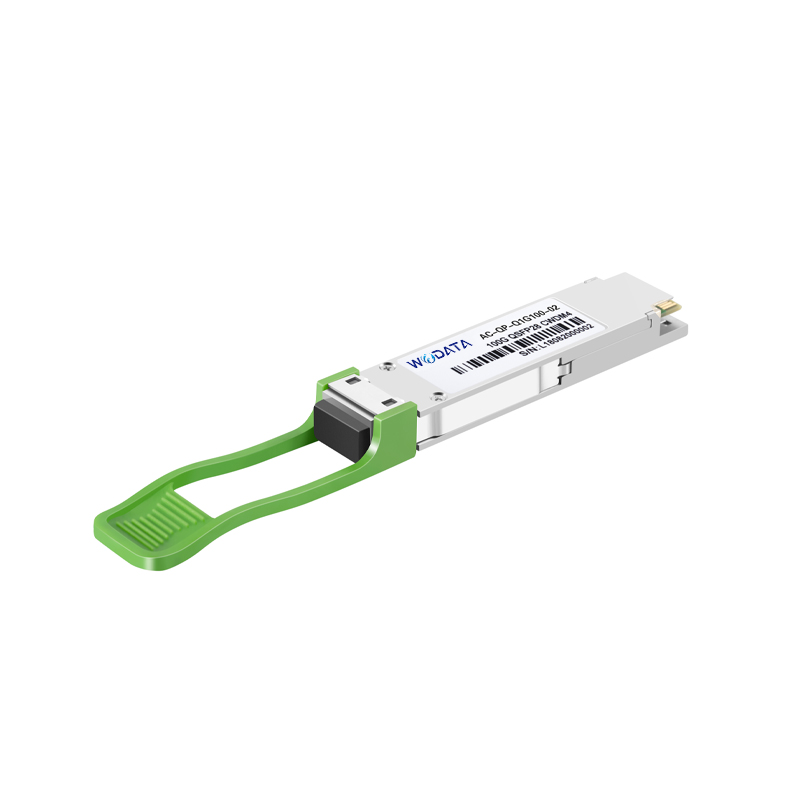
Common Optical Modules
- DWDM (Dense Wavelength Division Multiplexing) Transceivers: Enable multiple data streams over a single optical fiber, increasing bandwidth capacity.
- CWDM (Coarse Wavelength Division Multiplexing) Transceivers: Similar to DWDM but with fewer channels, used for shorter distances and cost-effective upgrades.
- BiDi (Bidirectional) Transceivers: Transmit and receive data on a single fiber, reducing fiber usage and installation costs.
- CWDM (Coarse Wavelength Division Multiplexing) Transceivers: Similar to DWDM but with fewer channels, used for shorter distances and cost-effective upgrades.
- BiDi (Bidirectional) Transceivers: Transmit and receive data on a single fiber, reducing fiber usage and installation costs.
3. Enterprise Networks
Role of Optical Modules
Enterprise networks, encompassing corporate offices, campuses, and metropolitan area networks (MANs), use optical modules to:
- Enhance Connectivity: Connect different buildings or campuses with high-speed links.
- Support Business Applications: Ensure seamless operation of business-critical applications like video conferencing, cloud services, and data backup.
- Future-Proofing: Provide a scalable infrastructure that can adapt to future technological advancements and increased data traffic.
- Support Business Applications: Ensure seamless operation of business-critical applications like video conferencing, cloud services, and data backup.
- Future-Proofing: Provide a scalable infrastructure that can adapt to future technological advancements and increased data traffic.
Common Optical Modules
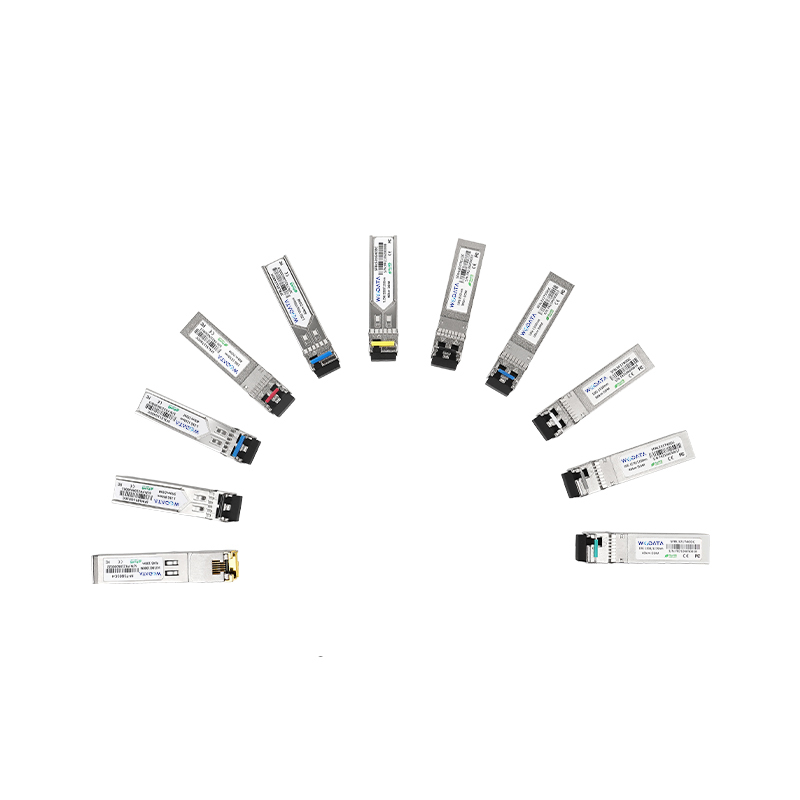
- SFP+ (Enhanced Small Form-factor Pluggable): Supports 10G Ethernet, widely used in enterprise network switches and routers.
- QSFP28: Supports 100G Ethernet, used for high-capacity links within enterprise networks.
- LR (Long Reach) and SR (Short Reach) Transceivers: Offer flexibility for different distance requirements within enterprise environments.
- QSFP28: Supports 100G Ethernet, used for high-capacity links within enterprise networks.
- LR (Long Reach) and SR (Short Reach) Transceivers: Offer flexibility for different distance requirements within enterprise environments.
4. Fiber to the Home (FTTH)
Role of Optical Modules
FTTH deployments bring high-speed internet directly to residential and commercial premises. Optical modules in FTTH networks:
- Enable High-Speed Internet: Provide gigabit-speed internet access to homes and businesses.
- Support Triple Play Services: Facilitate the delivery of internet, television, and telephone services over a single optical fiber.
- Improve Network Reliability: Enhance the reliability and longevity of the network compared to traditional copper-based connections.
- Support Triple Play Services: Facilitate the delivery of internet, television, and telephone services over a single optical fiber.
- Improve Network Reliability: Enhance the reliability and longevity of the network compared to traditional copper-based connections.
Common Optical Modules
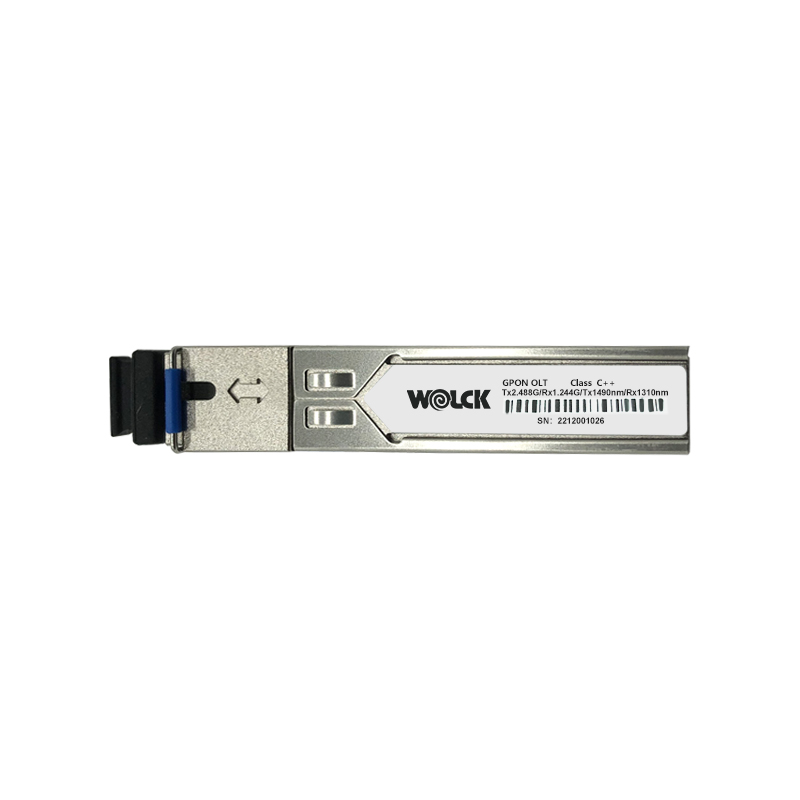
- GPON (Gigabit Passive Optical Network) Transceivers: Used in OLTs (Optical Line Terminals) and ONTs (Optical Network Terminals) for efficient FTTH deployment.
- EPON (Ethernet Passive Optical Network) Transceivers: Similar to GPON but based on Ethernet standards, offering cost-effective solutions for FTTH.
- EPON (Ethernet Passive Optical Network) Transceivers: Similar to GPON but based on Ethernet standards, offering cost-effective solutions for FTTH.
5. Wireless Networks
Role of Optical Modules
Optical modules also play a critical role in supporting wireless networks, particularly in:
- Backhaul Connectivity: Provide high-capacity links between cell towers and the core network, essential for mobile data traffic.
- 5G Networks: Enable the high-speed, low-latency connections required for 5G technology.
- Network Densification: Support the dense network architectures needed for urban areas and high-demand environments.
- 5G Networks: Enable the high-speed, low-latency connections required for 5G technology.
- Network Densification: Support the dense network architectures needed for urban areas and high-demand environments.
Common Optical Modules
- CPRI (Common Public Radio Interface) Transceivers: Used in fronthaul and backhaul connections in wireless networks, including 4G and 5G.
- eCPRI (Enhanced Common Public Radio Interface) Transceivers: Designed for 5G networks, offering higher data rates and reduced latency.
- eCPRI (Enhanced Common Public Radio Interface) Transceivers: Designed for 5G networks, offering higher data rates and reduced latency.
6. Broadcast and Media
Role of Optical Modules
The broadcast and media industry uses optical modules to handle the high bandwidth and low latency requirements of:
- Live Broadcasting: Ensure high-quality video and audio transmission for live events.
- Content Delivery Networks (CDNs): Distribute digital content efficiently to a global audience.
- Studio Interconnects: Connect different parts of production facilities with high-speed links.
- Content Delivery Networks (CDNs): Distribute digital content efficiently to a global audience.
- Studio Interconnects: Connect different parts of production facilities with high-speed links.
Common Optical Modules
- HD-SDI (High-Definition Serial Digital Interface) Transceivers: Used for transmitting uncompressed video signals over optical fibers.
- 4K/8K Video Transceivers: Support the higher bandwidth requirements of ultra-high-definition video formats.
- 4K/8K Video Transceivers: Support the higher bandwidth requirements of ultra-high-definition video formats.
7. Healthcare
Role of Optical Modules
In the healthcare sector, optical modules are used to support critical applications such as:
- Medical Imaging: Enable high-speed transfer of large imaging files, such as MRI or CT scans, between devices and storage systems.
- Telemedicine: Support real-time video consultations and remote patient monitoring.
- Hospital Information Systems: Ensure fast and reliable connectivity for electronic medical records (EMR) and other hospital management systems.
- Telemedicine: Support real-time video consultations and remote patient monitoring.
- Hospital Information Systems: Ensure fast and reliable connectivity for electronic medical records (EMR) and other hospital management systems.
Common Optical Modules
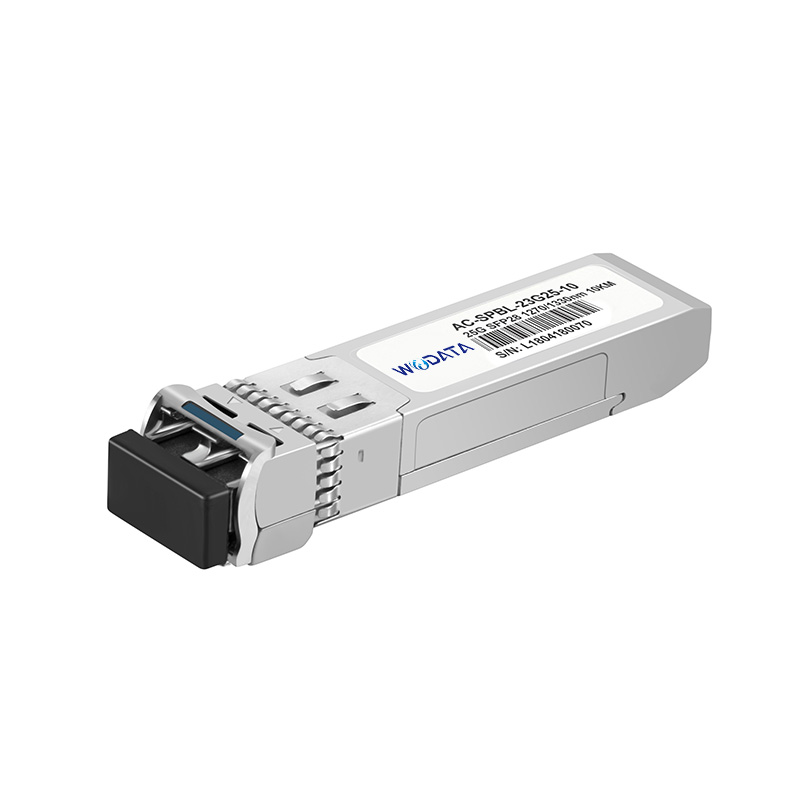
- 10G/25G Transceivers: Support high-speed connections within hospital networks.
- BiDi Transceivers: Reduce the complexity and cost of cabling infrastructure in medical facilities.
- BiDi Transceivers: Reduce the complexity and cost of cabling infrastructure in medical facilities.
8. Industrial Automation
Role of Optical Modules
Industrial automation relies on optical modules for:
- Reliable Connectivity: Ensure robust and high-speed communication between machines, sensors, and control systems.
- Real-Time Data: Facilitate real-time data collection and analysis for process control and monitoring.
- Harsh Environments: Provide reliable performance in challenging industrial environments with high electromagnetic interference (EMI).
- Real-Time Data: Facilitate real-time data collection and analysis for process control and monitoring.
- Harsh Environments: Provide reliable performance in challenging industrial environments with high electromagnetic interference (EMI).
Common Optical Modules
- Industrial-Grade SFP Transceivers: Designed to withstand harsh environmental conditions, including extreme temperatures and vibrations.
- Gigabit Ethernet Transceivers: Used for high-speed connections in industrial automation networks.
- Gigabit Ethernet Transceivers: Used for high-speed connections in industrial automation networks.
9. Financial Services
Role of Optical Modules
Financial institutions require fast and secure communication for:
- High-Frequency Trading: Minimize latency in trading systems to gain a competitive edge.
- Data Centers: Support the high-speed, high-reliability requirements of financial data centers.
- Disaster Recovery: Ensure robust connectivity for disaster recovery sites.
- Data Centers: Support the high-speed, high-reliability requirements of financial data centers.
- Disaster Recovery: Ensure robust connectivity for disaster recovery sites.
Common Optical Modules
- 10G/40G/100G Transceivers: Support high-speed connections within and between financial data centers.
- DWDM Transceivers: Provide long-distance, high-capacity links for inter-site connectivity.
- DWDM Transceivers: Provide long-distance, high-capacity links for inter-site connectivity.
Conclusion
Optical modules are versatile components essential for a wide range of application devices across different industries. From data centers and telecommunications to healthcare and financial services, these modules enable high-speed, reliable, and efficient communication. As technology continues to evolve, the role of optical modules will only grow, driving advancements in connectivity and supporting the ever-increasing demand for data transmission. Understanding the various application devices of optical modules helps appreciate their critical role in modern communication infrastructure.
The Data Center Fiber Optic Equipment
Data Center Switch VS Campus Switch: An In-depth Comparison
Artículo relacionado

By the end of 2024, there will be 5,697 public data centers worldwide, including 5,186 colocation sites and 511 hyperscale sites.
Global Data Center Status and Trends

By the end of 2024, there will be 5,186 colocation data centers worldwide. With a compound annual growth rate (CAGR) of 6.6%, the number of colocation data centers will increase to 7,640 by 2030.
Where are The World's Data Centers?