Data Center Switch VS Campus Switch: An In-depth Comparison
2024-07-18
The world of network infrastructure is vast and multifaceted, with various types of switches designed to meet different operational needs. Among these, data center switches and campus switches stand out due to their distinct functionalities, performance requirements, and operational environments. Understanding the differences between these two types of switches is crucial for network professionals tasked with designing and maintaining robust, efficient, and scalable networks.
Data Center Switches
Definition and Purpose
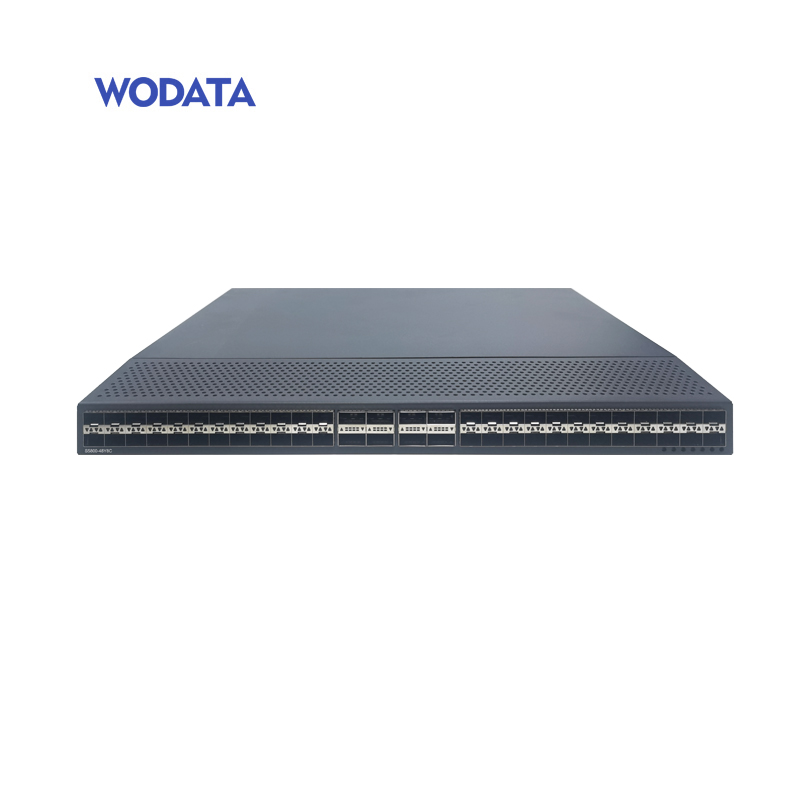
Data center switches are engineered to operate within the unique environment of a data center. These switches manage the traffic between servers, storage systems, and other network devices, ensuring high-speed, low-latency communication. The primary goal of data center switches is to handle massive amounts of data efficiently while maintaining high availability and fault tolerance.
Key Characteristics
1. High Performance and Low Latency: Data center switches are designed to support extremely high data transfer rates, often reaching up to 100 Gbps or even 400 Gbps. Low latency is critical to minimize delays in data processing and communication, which is vital for applications like high-frequency trading, cloud computing, and big data analytics.
2. High Port Density: These switches typically offer a large number of ports to accommodate the dense server environments found in data centers. This high port density enables the connection of many devices within a compact footprint, optimizing space utilization and reducing cabling complexity.
3. Advanced Features: Data center switches include features such as virtualization support, advanced quality of service (QoS) mechanisms, and extensive security capabilities. They support technologies like VXLAN, NVGRE, and SDN (Software-Defined Networking) to enhance network flexibility and manageability.
4. Scalability: Data center environments demand switches that can scale out or up to support growing data and user demands. Spine-leaf architecture is commonly used, allowing for horizontal scaling with minimal performance degradation.
5. Redundancy and Reliability: To ensure continuous operation, data center switches are built with redundant components (power supplies, fans) and support protocols like Ethernet Ring Protection Switching (ERPS) and Multi-Chassis Link Aggregation (MLAG).
6. Cooling and Power Efficiency: Given the high density and performance requirements, data center switches are designed with advanced cooling solutions and energy-efficient components to minimize power consumption and heat output.
Use Cases
- Cloud Service Providers: High performance and scalability needs.
- Financial Institutions: Low latency for real-time trading.
- Big Data Analytics: Handling large volumes of data efficiently.
- Content Delivery Networks (CDNs): Rapid data access and distribution.
- Financial Institutions: Low latency for real-time trading.
- Big Data Analytics: Handling large volumes of data efficiently.
- Content Delivery Networks (CDNs): Rapid data access and distribution.
Campus Switches
Definition and Purpose
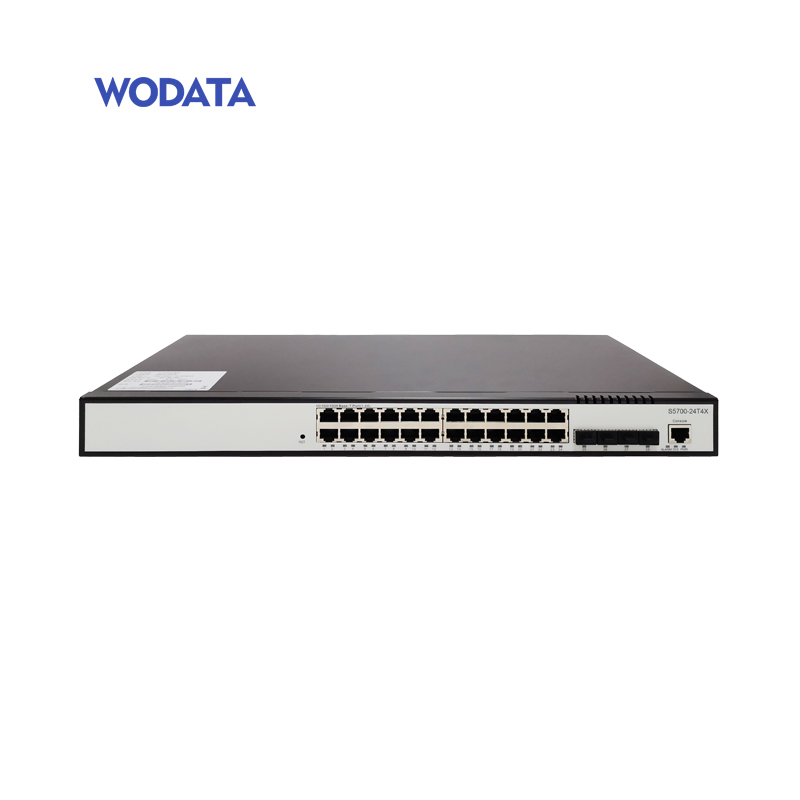
Campus switches are designed for use in enterprise networks, typically spanning multiple buildings or a campus-like environment. They connect end-user devices such as computers, phones, and wireless access points to the network, providing the necessary infrastructure for communication within the enterprise.
Key Characteristics
1. Versatility: Campus switches are designed to handle a wide range of traffic types and service needs. They support various network protocols and offer features to manage diverse devices and applications.
2. Moderate Performance and Port Density: While campus switches do not generally require the same high performance as data center switches, they still offer sufficient speed and port density to support typical enterprise needs. Speeds usually range from 1 Gbps to 10 Gbps.
3. User Access and Edge Connectivity: These switches are often deployed at the network edge, connecting end devices to the core network. They provide PoE (Power over Ethernet) to power devices like IP phones and wireless access points directly through the network cable.
4. Simplified Management and Security: Campus switches include user-friendly management interfaces and robust security features to safeguard against unauthorized access and network threats. They often support features like 802.1X authentication, MAC address filtering, and ACLs (Access Control Lists).
5. Mobility and Wireless Integration: With the increasing reliance on wireless networks, campus switches often integrate seamlessly with wireless controllers and access points, providing unified wired and wireless network management.
6. Cost-Effectiveness: Designed to be cost-effective, campus switches offer a balance between performance, features, and price, making them suitable for budget-conscious enterprise environments.
Use Cases
- Educational Institutions: Connectivity for classrooms, labs, and administrative buildings.
- Corporate Campuses: Supporting employee devices, VoIP, and collaboration tools.
- Healthcare Facilities: Connecting medical devices, patient records systems, and administrative networks.
- Government Buildings: Secure and reliable connectivity for various departments.
- Corporate Campuses: Supporting employee devices, VoIP, and collaboration tools.
- Healthcare Facilities: Connecting medical devices, patient records systems, and administrative networks.
- Government Buildings: Secure and reliable connectivity for various departments.
Key Differences
1. Performance and Latency: Data center switches are optimized for high performance and low latency to meet the demands of server-to-server communication and large data transfers. In contrast, campus switches are tailored for moderate performance suitable for end-user device connectivity.
2. Port Density: Data center switches offer higher port densities to support the dense environments of server racks. Campus switches, while still offering a reasonable number of ports, focus more on versatility and edge connectivity.
3. Scalability: Data center switches are designed to scale horizontally and vertically, often utilizing spine-leaf architectures. Campus switches focus on providing scalability within the constraints of an enterprise campus environment.
4. Redundancy and Reliability: Data center switches emphasize high availability with redundant components and advanced failover mechanisms. Campus switches provide redundancy but prioritize cost-effectiveness and ease of management.
5. Feature Set: Data center switches support advanced features like network virtualization, extensive QoS, and sophisticated security protocols to handle the complex needs of data centers. Campus switches offer features aimed at simplifying network management, enhancing security, and supporting a mix of wired and wireless devices.
6. Environmental Considerations: Data center switches are built with advanced cooling and power efficiency in mind due to their high-performance requirements. Campus switches, while also considering power efficiency, focus more on ease of deployment and integration within an enterprise environment.
Conclusion
In summary, data center switches and campus switches serve distinct purposes within the broader context of network infrastructure. Data center switches cater to environments demanding high performance, low latency, and high scalability, often featuring advanced technologies and robust redundancy. Campus switches, on the other hand, prioritize versatility, ease of management, and cost-effectiveness, supporting a mix of wired and wireless devices across an enterprise environment. Understanding these differences is crucial for network professionals to select the appropriate switch type to meet their specific operational needs and ensure optimal network performance and reliability.
The Application Devices of Optical Modules
The Enterprise-class Routers in Data Centers
Artículo relacionado
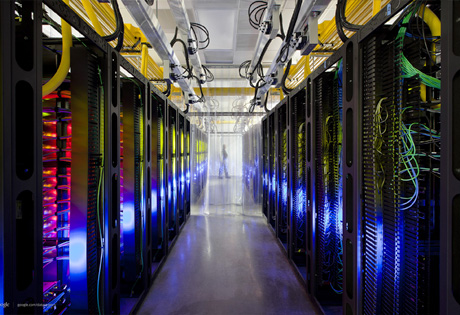
By the end of 2024, there will be 5,697 public data centers worldwide, including 5,186 colocation sites and 511 hyperscale sites.
Global Data Center Status and Trends

By the end of 2024, there will be 5,186 colocation data centers worldwide. With a compound annual growth rate (CAGR) of 6.6%, the number of colocation data centers will increase to 7,640 by 2030.
Where are The World's Data Centers?