Understanding Layer 2 and Layer 3 Switches
2023-11-30
Network switches play a crucial role in managing and directing data traffic within a local area network (LAN). Two common types of switches are Layer 2 (L2) switches and Layer 3 (L3) switches. While both serve the fundamental purpose of forwarding data at the data link layer, they operate at different levels of the OSI model and offer distinct features and functionalities.
Layer 2 Switch: The Data Link Layer
Basic Functionality:
A Layer 2 switch primarily operates at the data link layer (Layer 2) of the OSI model. This layer is responsible for creating a reliable link between two directly connected nodes over a physical medium.
A Layer 2 switch primarily operates at the data link layer (Layer 2) of the OSI model. This layer is responsible for creating a reliable link between two directly connected nodes over a physical medium.
Addressing:
L2 switches use MAC addresses to make forwarding decisions. Each network interface card (NIC) in a device is assigned a unique MAC address, and the L2 switch uses these addresses to forward frames to the appropriate destination.
L2 switches use MAC addresses to make forwarding decisions. Each network interface card (NIC) in a device is assigned a unique MAC address, and the L2 switch uses these addresses to forward frames to the appropriate destination.
Frame Switching:
The primary function of a Layer 2 switch is frame switching. When a device in the network sends a frame, the switch examines the destination MAC address and forwards the frame only to the port where the destination device is located.
The primary function of a Layer 2 switch is frame switching. When a device in the network sends a frame, the switch examines the destination MAC address and forwards the frame only to the port where the destination device is located.
Broadcast Domain:
L2 switches typically operate within a single broadcast domain. In a broadcast domain, all devices can receive broadcast messages from each other. L2 switches segment collision domains (groups of devices contending for network access) but do not separate broadcast domains.
L2 switches typically operate within a single broadcast domain. In a broadcast domain, all devices can receive broadcast messages from each other. L2 switches segment collision domains (groups of devices contending for network access) but do not separate broadcast domains.
VLAN Support:
Virtual LANs (VLANs) are a common feature in Layer 2 switches. VLANs allow the switch to logically segment the network, creating multiple virtual LANs within a physical network infrastructure.
Virtual LANs (VLANs) are a common feature in Layer 2 switches. VLANs allow the switch to logically segment the network, creating multiple virtual LANs within a physical network infrastructure.
Limited Routing Capabilities:
Layer 2 switches lack routing capabilities. They cannot make decisions based on IP addresses and do not understand the concept of different IP subnets.
Layer 2 switches lack routing capabilities. They cannot make decisions based on IP addresses and do not understand the concept of different IP subnets.
Example Scenario:
In a basic LAN setup, a Layer 2 switch efficiently forwards frames between devices within the same network, facilitating fast and reliable communication within the broadcast domain.
In a basic LAN setup, a Layer 2 switch efficiently forwards frames between devices within the same network, facilitating fast and reliable communication within the broadcast domain.
Layer 3 Switch: The Network Layer
Basic Functionality:
A Layer 3 switch operates at both the data link layer (Layer 2) and the network layer (Layer 3). This dual-layer functionality enables it to make forwarding decisions based on both MAC addresses (Layer 2) and IP addresses (Layer 3).
A Layer 3 switch operates at both the data link layer (Layer 2) and the network layer (Layer 3). This dual-layer functionality enables it to make forwarding decisions based on both MAC addresses (Layer 2) and IP addresses (Layer 3).
Addressing:
In addition to MAC addresses, Layer 3 switches understand IP addresses. This enables them to perform routing functions based on network layer information.
In addition to MAC addresses, Layer 3 switches understand IP addresses. This enables them to perform routing functions based on network layer information.
Routing Capabilities:
Unlike Layer 2 switches, Layer 3 switches have routing capabilities. They can make decisions based on IP addresses and direct traffic between different IP subnets. This allows for inter-VLAN routing, enabling communication between devices in different VLANs.
Unlike Layer 2 switches, Layer 3 switches have routing capabilities. They can make decisions based on IP addresses and direct traffic between different IP subnets. This allows for inter-VLAN routing, enabling communication between devices in different VLANs.
Broadcast and Collision Domains:
Similar to Layer 2 switches, Layer 3 switches can segment collision domains. However, they can also separate broadcast domains by functioning as routers. This is particularly useful in larger networks where the isolation of broadcast traffic is necessary.
Similar to Layer 2 switches, Layer 3 switches can segment collision domains. However, they can also separate broadcast domains by functioning as routers. This is particularly useful in larger networks where the isolation of broadcast traffic is necessary.
Quality of Service (QoS):
Layer 3 switches often support QoS features, allowing for the prioritization of specific types of traffic. This is essential for optimizing network performance, especially in scenarios where different types of data require varying levels of service.
Layer 3 switches often support QoS features, allowing for the prioritization of specific types of traffic. This is essential for optimizing network performance, especially in scenarios where different types of data require varying levels of service.
Advanced Security Features:
Layer 3 switches may offer enhanced security features, such as access control lists (ACLs) and security policies. These features contribute to better network security by controlling the flow of traffic based on specified criteria.
Layer 3 switches may offer enhanced security features, such as access control lists (ACLs) and security policies. These features contribute to better network security by controlling the flow of traffic based on specified criteria.
Example Scenario:
In a complex network infrastructure, a Layer 3 switch plays a pivotal role in routing traffic between different VLANs, optimizing the flow of data based on IP addresses, and providing advanced features for network management and security.
In a complex network infrastructure, a Layer 3 switch plays a pivotal role in routing traffic between different VLANs, optimizing the flow of data based on IP addresses, and providing advanced features for network management and security.
Comparison:
1. Addressing and Forwarding:
- Layer 2: Operates based on MAC addresses for forwarding decisions.
- Layer 3: Operates based on both MAC addresses (Layer 2) and IP addresses (Layer 3) for forwarding decisions.
- Layer 2: Operates based on MAC addresses for forwarding decisions.
- Layer 3: Operates based on both MAC addresses (Layer 2) and IP addresses (Layer 3) for forwarding decisions.
2. Routing Capabilities:
- Layer 2: Lacks routing capabilities and cannot make decisions based on IP addresses.
- Layer 3: Has routing capabilities, facilitating inter-VLAN routing and communication between different IP subnets.
- Layer 2: Lacks routing capabilities and cannot make decisions based on IP addresses.
- Layer 3: Has routing capabilities, facilitating inter-VLAN routing and communication between different IP subnets.
3. Broadcast and Collision Domains:
- Layer 2: Segments collision domains but does not separate broadcast domains.
- Layer 3: Can segment both collision and broadcast domains, acting as a router to isolate broadcast traffic.
- Layer 2: Segments collision domains but does not separate broadcast domains.
- Layer 3: Can segment both collision and broadcast domains, acting as a router to isolate broadcast traffic.
4. VLAN Support:
- Layer 2: Supports VLANs for logical segmentation of the network.
- Layer 3: Also supports VLANs and can route traffic between different VLANs.
- Layer 2: Supports VLANs for logical segmentation of the network.
- Layer 3: Also supports VLANs and can route traffic between different VLANs.
5. QoS and Security:
- Layer 2: Basic switching functionality with limited support for QoS and security features.
- Layer 3: Offers advanced features such as QoS, ACLs, and security policies for improved network performance and security.
- Layer 2: Basic switching functionality with limited support for QoS and security features.
- Layer 3: Offers advanced features such as QoS, ACLs, and security policies for improved network performance and security.
Conclusion:
In summary, while Layer 2 switches excel at basic frame switching within a single broadcast domain, Layer 3 switches provide a more advanced and versatile solution. Layer 3 switches, with their dual-layer functionality and routing capabilities, are better suited for larger and more complex networks where the segmentation of broadcast domains, inter-VLAN routing, and advanced security features are essential. The choice between Layer 2 and Layer 3 switches depends on the specific requirements of the network and the scale of operations.
Optical Transceiver Selection Guide: Single-Mode vs Multimode
Methods to Determine Abnormalities in Optical Modules
Related Article
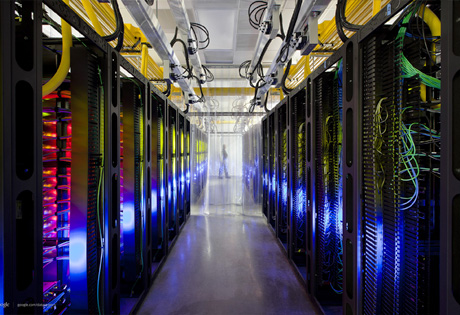
By the end of 2024, there will be 5,697 public data centers worldwide, including 5,186 colocation sites and 511 hyperscale sites.
Global Data Center Status and Trends

By the end of 2024, there will be 5,186 colocation data centers worldwide. With a compound annual growth rate (CAGR) of 6.6%, the number of colocation data centers will increase to 7,640 by 2030.
Where are The World's Data Centers?