The Top Ten Network Switch Brands
2024-01-26
In the vast ecosystem of networking infrastructure, network switches play a pivotal role in facilitating communication and data exchange within computer networks. As businesses and individuals continue to expand their reliance on interconnected devices and data-driven processes, the demand for reliable, efficient, and scalable network switches has surged. Amidst this dynamic landscape, several brands have emerged as leaders, offering a diverse array of switches tailored to meet the evolving needs of modern networking environments. In this comprehensive overview, we delve into the top ten network switch brands, exploring their histories, product offerings, market positions, and key differentiators.
1. Cisco Systems: A Pioneer in Networking Innovation
As the undisputed giant in the networking industry, Cisco Systems has established itself as a pioneer in networking innovation. Founded in 1984 by Leonard Bosack and Sandy Lerner, Cisco initially focused on developing multi-protocol routers before expanding its product portfolio to include switches, security appliances, and other networking solutions. Cisco's dominance in the network switch market stems from its relentless commitment to quality, reliability, and technological advancement. The company offers a comprehensive range of switches catering to diverse market segments, including enterprise, small and medium-sized businesses (SMBs), and service providers. From compact switches for small office environments to high-performance data center switches, Cisco's portfolio addresses a wide spectrum of networking requirements. Moreover, Cisco's extensive ecosystem of software solutions, including Cisco IOS and Cisco Nexus Operating System (NX-OS), enhances the manageability, security, and automation capabilities of its switches, further solidifying its position as a preferred choice for organizations worldwide.
2. HPE (Hewlett Packard Enterprise): Empowering Digital Transformation
Hewlett Packard Enterprise (HPE), a spin-off from the Hewlett-Packard Company, has emerged as a formidable player in the network switch market. With a legacy rooted in computing and enterprise solutions, HPE has leveraged its expertise to develop a comprehensive portfolio of network switches designed to empower digital transformation initiatives. HPE's networking division, which includes the Aruba Networks subsidiary, offers an extensive range of switches tailored for enterprise environments, data centers, branch offices, and edge computing deployments. HPE's commitment to open standards and interoperability ensures seamless integration with existing infrastructure and third-party solutions, enabling organizations to build agile, future-ready networks. Additionally, HPE's emphasis on security, reliability, and software-defined networking (SDN) capabilities further enhances the value proposition of its switch offerings, making them a preferred choice for enterprises seeking scalable and resilient networking solutions.
3. Aruba Networks: Driving Mobility and Cloud Connectivity
Acquired by HPE in 2015, Aruba Networks has established itself as a leading provider of mobility and cloud-centric networking solutions. With a focus on delivering seamless connectivity and user-centric experiences, Aruba's portfolio encompasses a wide range of switches, access points, controllers, and management software designed to meet the demands of modern digital workplaces. Aruba's switch offerings, including the Aruba CX Series and Aruba Instant On switches, combine cutting-edge hardware with intuitive management interfaces and advanced security features to deliver high-performance networking solutions for businesses of all sizes. Moreover, Aruba's emphasis on cloud-based management and AI-driven insights enables organizations to streamline network operations, optimize performance, and proactively address emerging security threats, making Aruba switches a compelling choice for distributed enterprises and remote workforce environments.
4. Huawei: Global Leader in Networking Technologies
Huawei, a Chinese multinational technology company founded in 1987, has emerged as a global leader in networking technologies, including network switches. With a strong focus on research and development, Huawei has pioneered numerous innovations in the networking space, driving the evolution of next-generation networking architectures such as Intent-Driven Networking (IDN) and All-Scenario Intelligence. Huawei's switch portfolio encompasses a diverse range of products catering to enterprise, carrier, and data center markets, with offerings ranging from access switches and campus switches to core switches and data center switches. Huawei's commitment to innovation, coupled with its extensive global reach and customer-centric approach, has enabled the company to gain traction in diverse markets worldwide, solidifying its position as a formidable competitor in the network switch landscape.
5. Juniper Networks: Enabling Secure and Scalable Networks
Juniper Networks, founded in 1996, has established itself as a trusted provider of networking solutions known for their security, scalability, and performance. With a focus on delivering innovative solutions for high-performance networking environments, Juniper's switch portfolio encompasses a diverse range of products designed to address the unique requirements of enterprise, cloud, and service provider networks. Juniper's flagship switching platforms, including the Juniper EX Series and QFX Series switches, leverage advanced technologies such as Junos OS, Virtual Chassis, and EVPN-VXLAN to deliver flexible, scalable, and secure networking solutions. Moreover, Juniper's commitment to open standards and interoperability enables seamless integration with third-party solutions, facilitating the deployment of multi-vendor network environments. Juniper's emphasis on automation and telemetry capabilities further enhances the operational efficiency and agility of its switch offerings, making them a preferred choice for organizations seeking to modernize their networks.
6. Dell Technologies: Simplifying Networking for the Digital Era
Dell Technologies, a global technology company formed through the merger of Dell Inc. and EMC Corporation, has emerged as a key player in the network switch market, offering a comprehensive portfolio of networking solutions tailored for modern digital enterprises. With a focus on simplifying networking complexities and accelerating digital transformation initiatives, Dell's switch portfolio encompasses a diverse range of products designed to address the evolving needs of enterprise, campus, and data center environments. Dell's networking solutions, including the Dell EMC Networking portfolio and the PowerSwitch series, leverage open standards and industry-leading technologies to deliver high-performance, cost-effective, and future-ready networking solutions. Additionally, Dell's commitment to software-defined networking (SDN) and network automation enhances the agility and scalability of its switch offerings, enabling organizations to adapt to changing business requirements and emerging technologies with ease.
7. Extreme Networks: Driving Networking Innovation
Extreme Networks, a global provider of networking solutions, has carved a niche for itself in the network switch market with its focus on driving networking innovation and delivering superior user experiences. With a portfolio spanning enterprise, data center, and cloud networking solutions, Extreme Networks offers a diverse range of switches designed to address the unique requirements of diverse market segments. Extreme's switch offerings, including the ExtremeSwitching portfolio and the SLX Series switches, leverage advanced technologies such as Extreme Fabric Connect and Extreme Fabric Automation to deliver scalable, secure, and agile networking solutions. Moreover, Extreme's commitment to open standards and interoperability enables seamless integration with existing infrastructure and third-party solutions, facilitating the deployment of flexible and future-ready network environments. Extreme's emphasis on cloud-based management and analytics capabilities further enhances the visibility, control, and performance of its switch offerings, making them a compelling choice for organizations seeking to modernize their networks.
8. Netgear: Empowering Small and Medium-Sized Businesses
Netgear, a global provider of networking solutions for homes and businesses, has established itself as a leading brand in the network switch market, particularly catering to the needs of small and medium-sized businesses (SMBs). With a focus on simplicity, affordability, and reliability, Netgear's switch portfolio encompasses a diverse range of products designed to address the networking requirements of SMBs, home offices, and remote work environments. Netgear's ProSAFE and Insight Managed switch series offer plug-and-play simplicity, intuitive management interfaces, and essential features such as VLAN support, Quality of Service (QoS), and PoE (Power over Ethernet), making them ideal for SMBs with limited IT resources. Moreover, Netgear's commitment to innovation and customer satisfaction ensures that its switch offerings are continuously updated with the latest technologies and features, empowering SMBs to build robust and scalable network infrastructures.
9. Ubiquiti Networks: Disrupting the Networking Landscape
Ubiquiti Networks, founded in 2005, has disrupted the networking landscape with its innovative approach to delivering high-performance, cost-effective networking solutions for homes, businesses, and service providers. With a focus on simplicity, affordability, and scalability, Ubiquiti's switch portfolio encompasses a diverse range of products designed to address the networking requirements of SMBs, enterprises, and service providers. Ubiquiti's UniFi Switch series, EdgeSwitch series, and UFiber OLTs offer feature-rich, easy-to-deploy solutions for building wired networks, wireless networks, and fiber networks, catering to a wide range of applications and use cases. Moreover, Ubiquiti's UniFi Controller software and cloud-based management platform provide centralized management and monitoring capabilities, enabling organizations to streamline network operations and ensure optimal performance. Ubiquiti's disruptive pricing model and commitment to customer satisfaction have made its switch offerings a popular choice among businesses and service providers seeking reliable and affordable networking solutions.
10. TP-Link: Connecting the World
TP-Link, founded in 1996, has established itself as a global provider of networking products and solutions, including network switches, routers, access points, and range extenders. With a mission to connect the world and enrich people's lives through innovative technologies, TP-Link's switch portfolio encompasses a diverse range of products designed to meet the networking needs of homes, businesses, and service providers. TP-Link's Smart and Easy Smart switches offer plug-and-play simplicity, intuitive management interfaces, and essential features such as VLAN support, QoS, and PoE, making them ideal for small office environments, classrooms, and hospitality venues. Moreover, TP-Link's commitment to affordability, reliability, and customer satisfaction ensures that its switch offerings deliver exceptional value and performance, empowering users to build robust and scalable network infrastructures.
In conclusion, the top ten network switch brands, including Cisco Systems, HPE (Hewlett Packard Enterprise), Aruba Networks, Huawei, Juniper Networks, Dell Technologies, Extreme Networks, Netgear, Ubiquiti Networks, and TP-Link, represent a diverse spectrum of companies that are driving innovation, empowering digital transformation, and connecting the world through their cutting-edge networking solutions. Whether it's building agile enterprise networks, enabling seamless connectivity in remote work environments, or delivering affordable networking solutions for SMBs, these brands continue to shape the future of networking and redefine the way we connect, communicate, and collaborate in the digital age.
Key Technologies for 5G Network Deployment
The Difference Between RJ45 Module and Optical Transceiver
Related Article
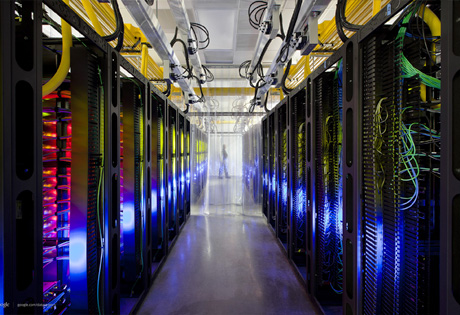
By the end of 2024, there will be 5,697 public data centers worldwide, including 5,186 colocation sites and 511 hyperscale sites.
Global Data Center Status and Trends

By the end of 2024, there will be 5,186 colocation data centers worldwide. With a compound annual growth rate (CAGR) of 6.6%, the number of colocation data centers will increase to 7,640 by 2030.
Where are The World's Data Centers?