The Data Center Fiber Optic Equipment
2024-08-01
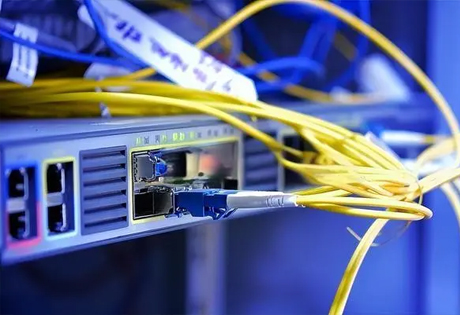
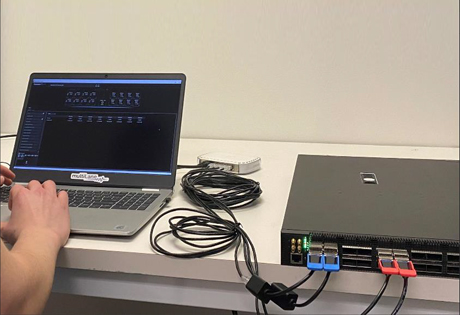
Data centers rely heavily on fiber optic equipment to provide high-speed, reliable, and scalable connectivity. The equipment required in a data center for fiber optic communication can be broadly categorized into several key components. Here’s a detailed overview of the essential fiber optic equipment needed in a data center:
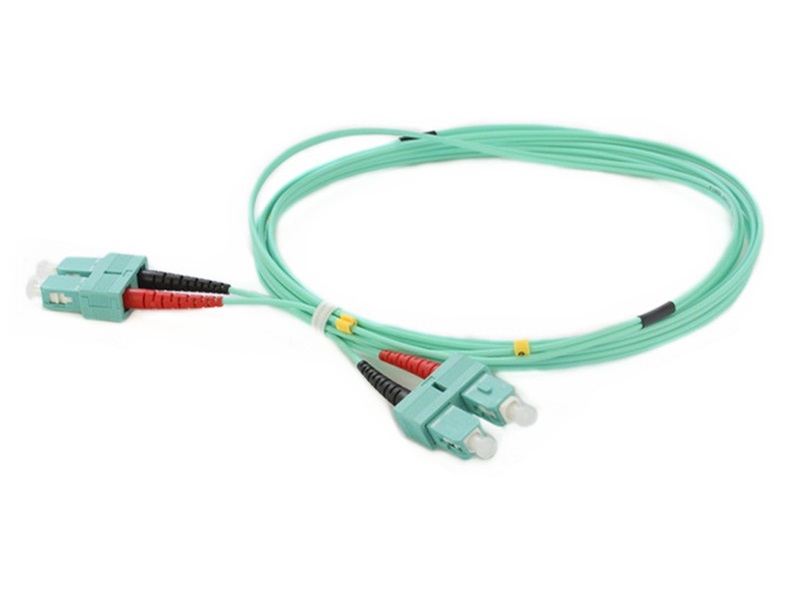
1. Fiber Optic Cables
- Single-Mode Fiber (SMF): Used for long-distance communication due to its lower attenuation and higher bandwidth capabilities. Ideal for connecting data centers to remote locations or for long-haul communication within large data centers.
- Multi-Mode Fiber (MMF): Suitable for shorter distances within data centers. It is often used for connections between servers and switches or between different equipment racks. MMF is cost-effective for short-range applications due to its lower cost compared to SMF.
- Single-Mode Fiber (SMF): Used for long-distance communication due to its lower attenuation and higher bandwidth capabilities. Ideal for connecting data centers to remote locations or for long-haul communication within large data centers.
- Multi-Mode Fiber (MMF): Suitable for shorter distances within data centers. It is often used for connections between servers and switches or between different equipment racks. MMF is cost-effective for short-range applications due to its lower cost compared to SMF.
2. Transceivers
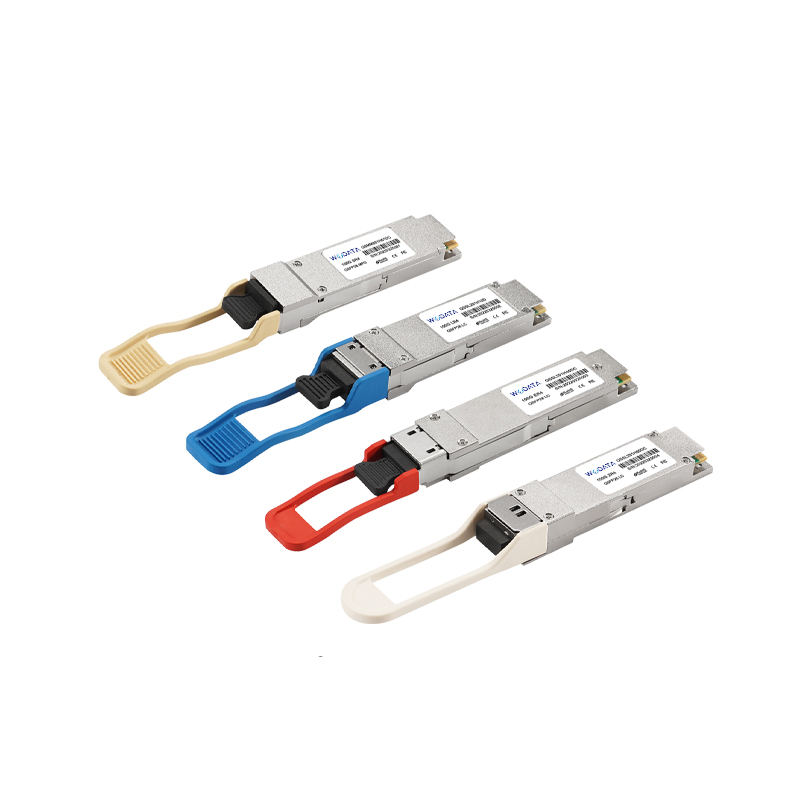
- SFP (Small Form-factor Pluggable): Used for connecting network equipment over fiber optic cables. They support both single-mode and multi-mode fibers and can be easily swapped to meet changing network demands.
- SFP+ and QSFP/QSFP+: Higher-performance versions of SFP that support data rates of up to 10 Gbps (SFP+) and 40 Gbps (QSFP+). These are commonly used in data centers for higher bandwidth connections.
- QSFP28 and CFP: Used for even higher data rates such as 100 Gbps. These transceivers are essential for modern data centers that require ultra-high-speed connectivity.
3. Optical Distribution Frames (ODF)
- Patch Panels: Serve as a point of connection for incoming and outgoing fiber optic cables. They organize and protect cables, making it easier to manage connections and changes within the data center.
- Cable Management Systems: Ensure that fiber optic cables are neatly routed and secured, reducing the risk of damage and maintaining the organization of the data center.
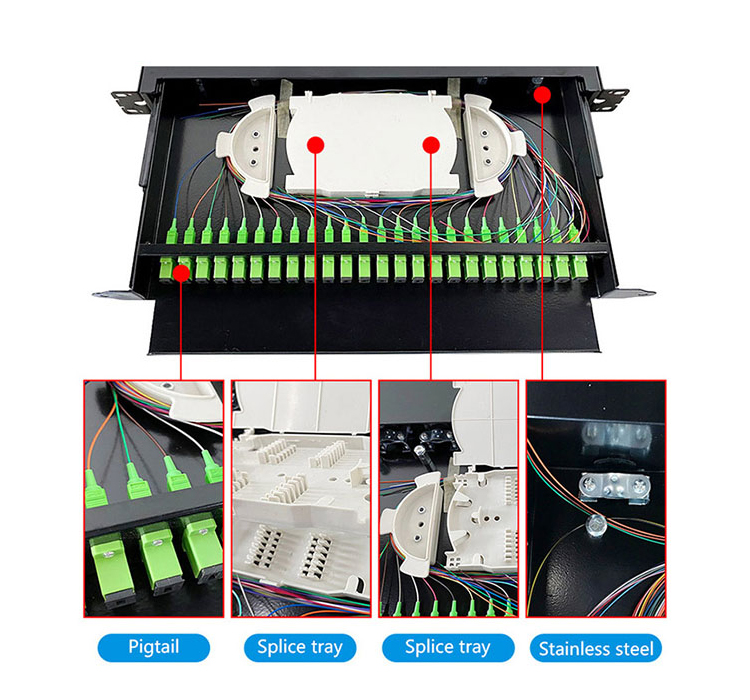
4. Fiber Optic Connectors
- LC, SC, ST, and MPO Connectors: Used to terminate fiber optic cables and connect them to network devices, patch panels, and transceivers. The choice of connector depends on the specific requirements of the data center, such as density and the type of equipment used.
- MTP/MPO Connectors: High-density connectors that allow multiple fibers to be connected at once. They are used for high-speed data center applications, including 40 Gbps and 100 Gbps networks.
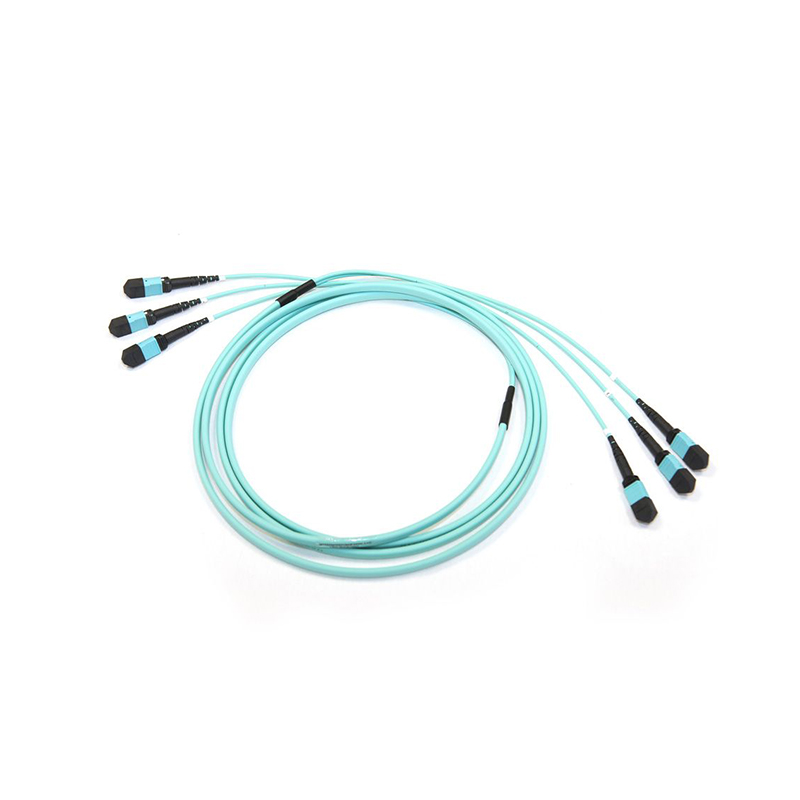
5. Fiber Optic Switches
- Optical Switches: Used to manage data traffic within the data center. They provide high-speed connectivity and routing for fiber optic networks, supporting advanced features such as load balancing and quality of service (QoS).
- Ethernet Switches with Fiber Ports: Allow the integration of fiber optic connectivity within an Ethernet network. They typically offer a combination of copper and fiber ports for flexible networking.
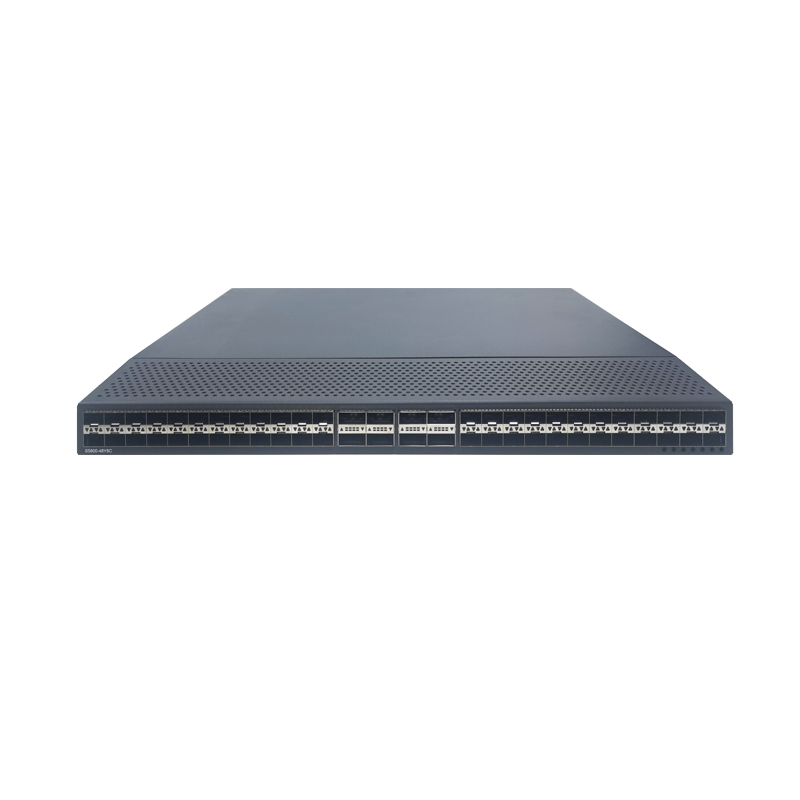
6. Fiber Optic Splicing Equipment
- Fusion Splicers: Used to join two fiber optic cables end-to-end. This method provides low-loss connections, essential for maintaining signal integrity over long distances.
- Mechanical Splicers: A more cost-effective splicing method that is quicker to deploy but may have higher loss compared to fusion splicing.
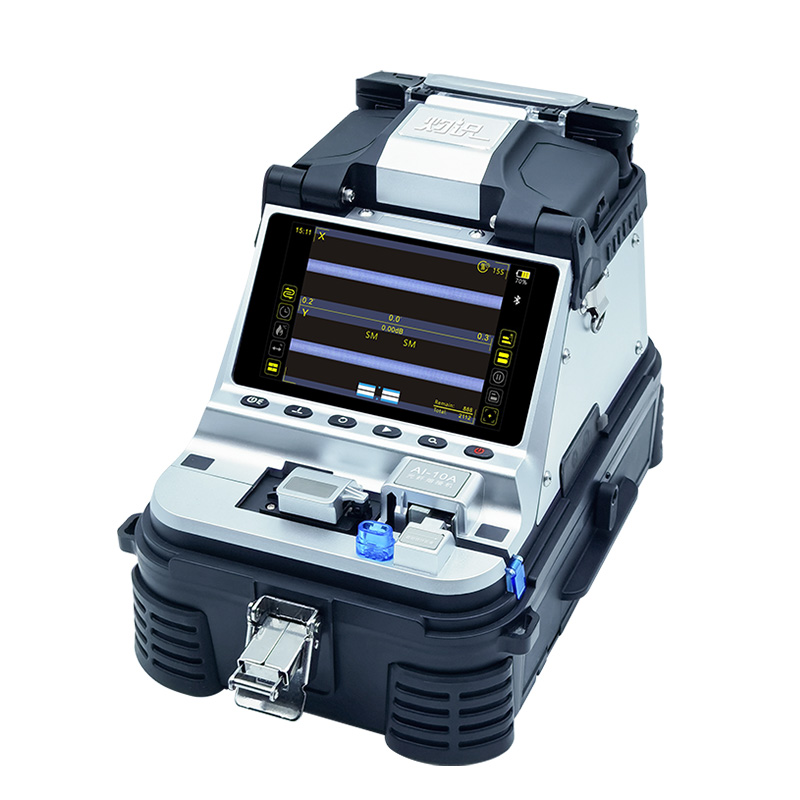
7. Fiber Optic Testing and Monitoring Equipment
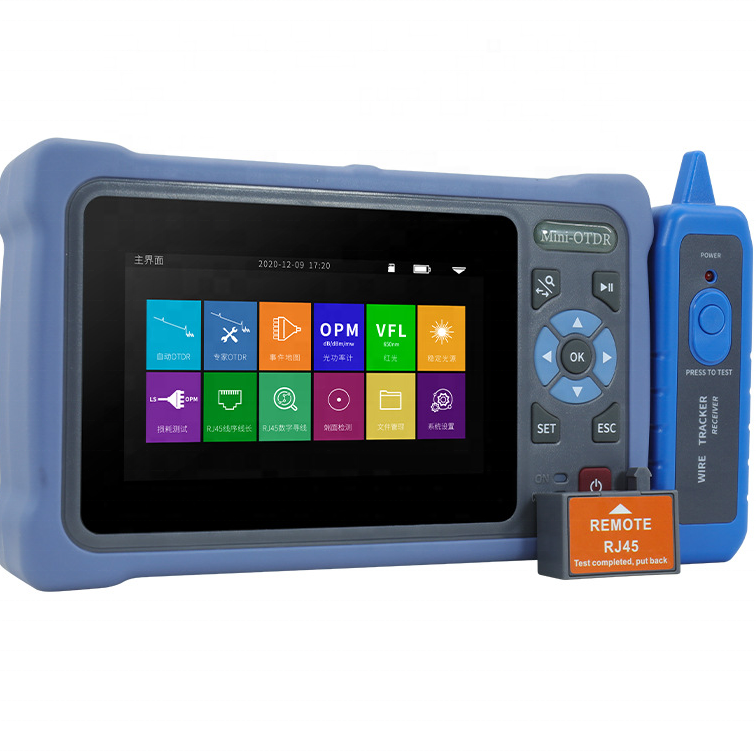
- Optical Time-Domain Reflectometers (OTDR): Used to test the integrity and performance of fiber optic cables by measuring signal loss, locating faults, and verifying splices.
- Power Meters and Light Sources: Measure the optical power and signal loss in fiber optic cables, ensuring that the network operates efficiently and within specifications.
- Network Monitoring Tools: Continuously monitor network performance, detect faults, and provide alerts for any issues that could affect the data center’s operation.
8. Fiber Optic Multiplexers
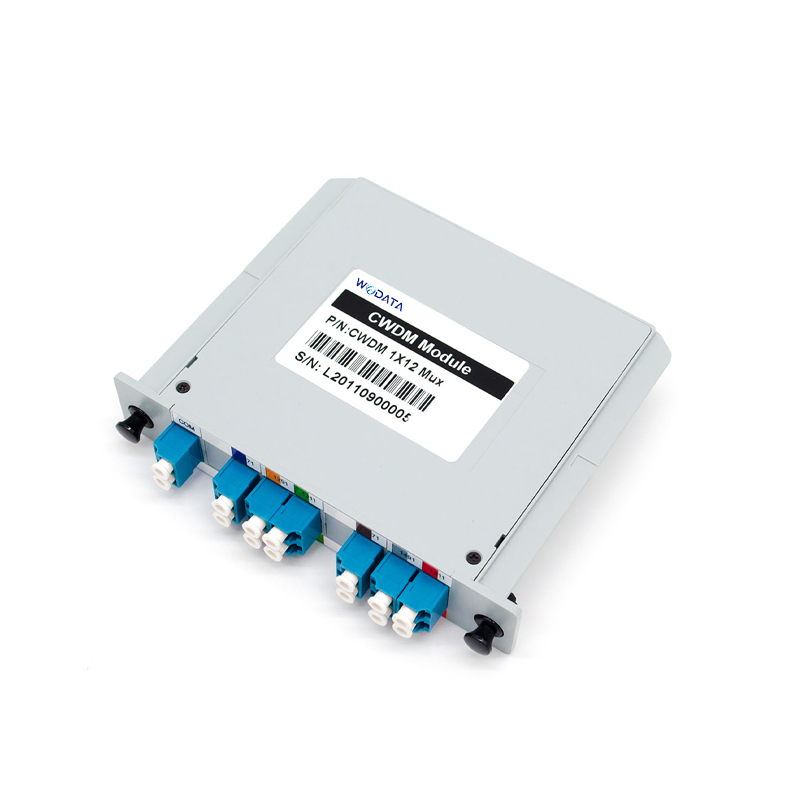
- Wavelength Division Multiplexers (WDM): Allow multiple optical signals to be transmitted over a single fiber by using different wavelengths of light. This increases the capacity of the fiber and is critical for efficient use of infrastructure in data centers.
- Dense Wavelength Division Multiplexing (DWDM): Provides even greater capacity by allowing more wavelengths to be used on a single fiber, supporting high-bandwidth applications and long-distance transmission.
9. Fiber Optic Media Converters
- Media Converters: Used to convert signals between different media types, such as converting between copper and fiber. This is useful for integrating different network technologies within the data center.
10. Redundant Power Supplies and Cooling Systems
- Uninterruptible Power Supplies (UPS): Ensure continuous operation of fiber optic equipment during power outages.
- Cooling Systems: Essential for maintaining optimal operating temperatures for fiber optic equipment, preventing overheating and ensuring reliability.
Conclusion
Data centers require a comprehensive set of fiber optic equipment to support high-speed, reliable, and scalable networking. From cables and connectors to switches, transceivers, and testing tools, each component plays a crucial role in ensuring efficient data transmission and communication within the data center. The selection and integration of these components are critical for meeting the growing demands of modern data center environments and supporting advanced applications such as cloud computing, big data analytics, and high-performance computing.
100G ZR Pluggable Optical Module
The Application Devices of Optical Modules
Related Article
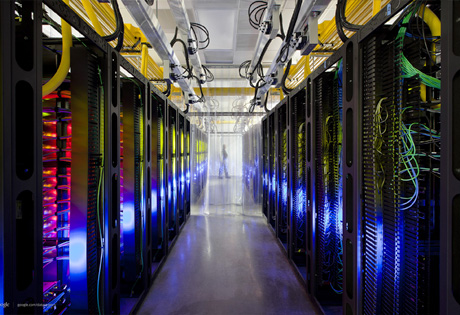
By the end of 2024, there will be 5,697 public data centers worldwide, including 5,186 colocation sites and 511 hyperscale sites.
Global Data Center Status and Trends

By the end of 2024, there will be 5,186 colocation data centers worldwide. With a compound annual growth rate (CAGR) of 6.6%, the number of colocation data centers will increase to 7,640 by 2030.
Where are The World's Data Centers?