List the Optical Transceiver Wavelengths
2024-05-31
Optical transceivers are critical components in fiber optic communication networks, converting electrical signals into optical signals and vice versa. These devices operate across a range of wavelengths to support various data transmission standards and applications. Here's a detailed overview of the common wavelengths used by optical transceivers:
1. 850 nm Wavelength
- Technology: Primarily used in short-wavelength (SW) multimode fiber (MMF) applications.
- Applications: Ethernet, Fibre Channel, InfiniBand.
- Typical Distances: Up to 300 meters on OM3 multimode fiber and up to 400 meters on OM4 multimode fiber.
- Transceiver Types:
- SFP (Small Form-factor Pluggable): Commonly used in 1Gbps applications.
- SFP+: Used in 10Gbps applications.
- QSFP (Quad Small Form-factor Pluggable): Supports 40Gbps and 100Gbps applications.
- Applications: Ethernet, Fibre Channel, InfiniBand.
- Typical Distances: Up to 300 meters on OM3 multimode fiber and up to 400 meters on OM4 multimode fiber.
- Transceiver Types:
- SFP (Small Form-factor Pluggable): Commonly used in 1Gbps applications.
- SFP+: Used in 10Gbps applications.
- QSFP (Quad Small Form-factor Pluggable): Supports 40Gbps and 100Gbps applications.
2. 1310 nm Wavelength
- Technology: Utilized in both single-mode fiber (SMF) and multimode fiber applications.
- Applications: Ethernet, SONET/SDH, PON (Passive Optical Network).
- Typical Distances: Up to 10 kilometers for single-mode fiber; up to 2 kilometers for multimode fiber.
- Transceiver Types:
- SFP: Commonly used in 1Gbps applications.
- SFP+: Used in 10Gbps applications.
- QSFP+: Supports 40Gbps applications.
- XFP (10 Gigabit Small Form-factor Pluggable)**: Used in 10Gbps applications.
- Applications: Ethernet, SONET/SDH, PON (Passive Optical Network).
- Typical Distances: Up to 10 kilometers for single-mode fiber; up to 2 kilometers for multimode fiber.
- Transceiver Types:
- SFP: Commonly used in 1Gbps applications.
- SFP+: Used in 10Gbps applications.
- QSFP+: Supports 40Gbps applications.
- XFP (10 Gigabit Small Form-factor Pluggable)**: Used in 10Gbps applications.
3. 1550 nm Wavelength
- Technology: Used extensively in long-haul and metropolitan networks.
- Applications: Ethernet, DWDM (Dense Wavelength Division Multiplexing), SONET/SDH.
- Typical Distances: Up to 80 kilometers or more, depending on the power of the transceiver and the quality of the fiber.
- Transceiver Types:
- SFP: For distances up to 40 kilometers.
- SFP+: For distances up to 80 kilometers.
- XFP: Used in 10Gbps applications for long-haul distances.
- QSFP+: Supports 40Gbps applications for longer distances.
- Applications: Ethernet, DWDM (Dense Wavelength Division Multiplexing), SONET/SDH.
- Typical Distances: Up to 80 kilometers or more, depending on the power of the transceiver and the quality of the fiber.
- Transceiver Types:
- SFP: For distances up to 40 kilometers.
- SFP+: For distances up to 80 kilometers.
- XFP: Used in 10Gbps applications for long-haul distances.
- QSFP+: Supports 40Gbps applications for longer distances.
4. CWDM Wavelengths (1260-1620 nm)
- Technology: Coarse Wavelength Division Multiplexing (CWDM) allows multiple signals to be sent on the same fiber using different wavelengths spaced 20 nm apart.
- Applications: Metro and access networks.
- Typical Distances: Up to 80 kilometers.
- Transceiver Types:
- SFP: Supports 1Gbps applications.
- SFP+: Supports 10Gbps applications.
- XFP: Used in 10Gbps applications.
- QSFP+: Supports 40Gbps applications.
- Common CWDM Wavelengths:
- 1270 nm, 1290 nm, 1310 nm, 1330 nm, 1350 nm, 1370 nm, 1390 nm, 1410 nm, 1430 nm, 1450 nm, 1470 nm, 1490 nm, 1510 nm, 1530 nm, 1550 nm, 1570 nm, 1590 nm, 1610 nm
- Applications: Metro and access networks.
- Typical Distances: Up to 80 kilometers.
- Transceiver Types:
- SFP: Supports 1Gbps applications.
- SFP+: Supports 10Gbps applications.
- XFP: Used in 10Gbps applications.
- QSFP+: Supports 40Gbps applications.
- Common CWDM Wavelengths:
- 1270 nm, 1290 nm, 1310 nm, 1330 nm, 1350 nm, 1370 nm, 1390 nm, 1410 nm, 1430 nm, 1450 nm, 1470 nm, 1490 nm, 1510 nm, 1530 nm, 1550 nm, 1570 nm, 1590 nm, 1610 nm
5. DWDM Wavelengths (1525-1565 nm C-band, 1570-1610 nm L-band)
- Technology: Dense Wavelength Division Multiplexing (DWDM) allows for a high number of channels with closer wavelength spacing (typically 0.8 nm, 0.4 nm, or 0.2 nm apart).
- Applications: Long-haul, ultra-long-haul, and submarine networks.
- Typical Distances: Up to thousands of kilometers with amplification and signal regeneration.
- Transceiver Types:
- SFP+: Supports 10Gbps applications.
- XFP: Used in 10Gbps applications.
- QSFP+: Supports 40Gbps applications.
- QSFP28: Supports 100Gbps applications.
- Common DWDM Wavelengths:
- C-band: Ranges from approximately 1525 nm to 1565 nm.
- L-band: Ranges from approximately 1570 nm to 1610 nm.
- Example Wavelengths in the C-band:
- Channel 17 (1563.86 nm), Channel 18 (1562.23 nm), Channel 19 (1560.61 nm), Channel 20 (1558.98 nm), Channel 21 (1557.36 nm), Channel 22 (1555.75 nm), Channel 23 (1554.13 nm), Channel 24 (1552.52 nm)
- Applications: Long-haul, ultra-long-haul, and submarine networks.
- Typical Distances: Up to thousands of kilometers with amplification and signal regeneration.
- Transceiver Types:
- SFP+: Supports 10Gbps applications.
- XFP: Used in 10Gbps applications.
- QSFP+: Supports 40Gbps applications.
- QSFP28: Supports 100Gbps applications.
- Common DWDM Wavelengths:
- C-band: Ranges from approximately 1525 nm to 1565 nm.
- L-band: Ranges from approximately 1570 nm to 1610 nm.
- Example Wavelengths in the C-band:
- Channel 17 (1563.86 nm), Channel 18 (1562.23 nm), Channel 19 (1560.61 nm), Channel 20 (1558.98 nm), Channel 21 (1557.36 nm), Channel 22 (1555.75 nm), Channel 23 (1554.13 nm), Channel 24 (1552.52 nm)
6. O-band (1260-1360 nm)
- Technology: Originally designated for standard single-mode fiber, often used in legacy networks and some modern applications.
- Applications: Ethernet, PON.
- Typical Distances: Up to 40 kilometers.
- Transceiver Types:
- SFP: Supports 1Gbps applications.
- SFP+: Supports 10Gbps applications.
- Applications: Ethernet, PON.
- Typical Distances: Up to 40 kilometers.
- Transceiver Types:
- SFP: Supports 1Gbps applications.
- SFP+: Supports 10Gbps applications.
7. E-band (1360-1460 nm)
- Technology: Less commonly used due to high attenuation and loss in this range.
- Applications: Specialized scientific and industrial applications.
- Typical Distances: Short-range applications due to high attenuation.
- Transceiver Types: Specialized transceivers as needed.
- Applications: Specialized scientific and industrial applications.
- Typical Distances: Short-range applications due to high attenuation.
- Transceiver Types: Specialized transceivers as needed.
8. S-band (1460-1530 nm)
- Technology: Used in some long-haul and metro networks, but less common than C-band and L-band.
- Applications: Long-haul communication.
- Typical Distances: Up to 80 kilometers or more with appropriate amplification.
- Transceiver Types: Typically used with specialized long-haul transceivers.
- Applications: Long-haul communication.
- Typical Distances: Up to 80 kilometers or more with appropriate amplification.
- Transceiver Types: Typically used with specialized long-haul transceivers.
9. U-band (1625-1675 nm)
- Technology: Mostly used for network monitoring and maintenance purposes.
- Applications: Fiber optic testing and monitoring.
- Typical Distances: Varies based on application.
- Transceiver Types: Specialized monitoring transceivers.
- Applications: Fiber optic testing and monitoring.
- Typical Distances: Varies based on application.
- Transceiver Types: Specialized monitoring transceivers.
Summary of Common Wavelength Ranges
- 850 nm: Short-wavelength for multimode fiber, primarily in data center applications.
- 1310 nm: Widely used for short to medium distances in both single-mode and multimode fibers.
- 1550 nm: Standard for long-distance single-mode fiber applications.
- CWDM (1270-1610 nm): Used for metropolitan and access networks with multiple wavelength channels.
- DWDM (C-band 1525-1565 nm, L-band 1570-1610 nm): High-density wavelength channels for long-haul and high-capacity networks.
- O-band (1260-1360 nm): Early single-mode fiber applications, still in use for certain applications.
- E-band (1360-1460 nm): Specialized and less commonly used.
- S-band (1460-1530 nm): Some use in long-haul networks.
- U-band (1625-1675 nm): Monitoring and maintenance.
- 1310 nm: Widely used for short to medium distances in both single-mode and multimode fibers.
- 1550 nm: Standard for long-distance single-mode fiber applications.
- CWDM (1270-1610 nm): Used for metropolitan and access networks with multiple wavelength channels.
- DWDM (C-band 1525-1565 nm, L-band 1570-1610 nm): High-density wavelength channels for long-haul and high-capacity networks.
- O-band (1260-1360 nm): Early single-mode fiber applications, still in use for certain applications.
- E-band (1360-1460 nm): Specialized and less commonly used.
- S-band (1460-1530 nm): Some use in long-haul networks.
- U-band (1625-1675 nm): Monitoring and maintenance.
These wavelengths are essential for designing and deploying fiber optic communication systems, providing the necessary flexibility and scalability to meet various network demands. Each wavelength range offers distinct advantages depending on the application, distance, and required data rates.
The Transmission Distance of Optical Transceivers
The Function of POE on the Switch
Related Article
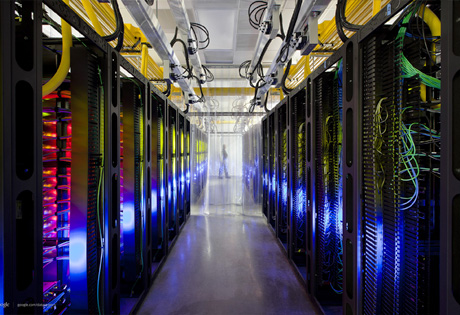
By the end of 2024, there will be 5,697 public data centers worldwide, including 5,186 colocation sites and 511 hyperscale sites.
Global Data Center Status and Trends

By the end of 2024, there will be 5,186 colocation data centers worldwide. With a compound annual growth rate (CAGR) of 6.6%, the number of colocation data centers will increase to 7,640 by 2030.
Where are The World's Data Centers?