Key Technologies for 5G Network Deployment
2024-01-30
To comprehensively explain the key technologies behind 5G network implementation, we must delve into various facets of wireless communication, networking infrastructure, and enabling technologies that collectively shape the 5G landscape. Here's a detailed exploration of the essential technologies driving the deployment and functionality of 5G networks:
1. Millimeter Wave Spectrum: 5G networks exploit higher frequency bands, including millimeter waves (mmWave) above 24 GHz. These high-frequency bands offer wider bandwidths, enabling faster data transmission. However, they have shorter range and are susceptible to environmental obstacles like buildings and foliage, necessitating advanced beamforming and antenna technologies for signal propagation.
2. Massive MIMO (Multiple Input Multiple Output): Massive MIMO involves deploying a large number of antennas at base stations, enabling simultaneous communication with multiple users. By spatially multiplexing numerous data streams, Massive MIMO enhances spectral efficiency and overall network capacity, crucial for accommodating the burgeoning data demands of 5G applications.
3. Small Cells and HetNets: 5G networks leverage a heterogeneous network (HetNet) architecture comprising macrocells, small cells, and other access points. Small cells, deployed in densely populated areas or indoor environments, enhance coverage and capacity, especially in urban settings where traditional macrocells face congestion challenges.
4. Beamforming and Beam Steering: Beamforming techniques concentrate radio frequency (RF) energy in specific directions, improving signal quality and coverage. Beam steering dynamically adjusts antenna radiation patterns to track user devices, optimizing signal strength and minimizing interference, thereby enhancing spectral efficiency in 5G networks.
5. Network Slicing: Network slicing partitions a physical network infrastructure into multiple virtual networks, each tailored to specific use cases or service requirements. This enables customized network configurations for diverse applications like ultra-reliable low-latency communication (URLLC), massive machine-type communication (mMTC), and enhanced mobile broadband (eMBB), facilitating efficient resource allocation and management.
6. Cloud RAN (Radio Access Network): Cloud RAN centralizes baseband processing functions in cloud data centers, enabling resource pooling and dynamic allocation of processing power based on demand. This architecture enhances scalability, flexibility, and cost-effectiveness in 5G networks, supporting advanced features such as network slicing and edge computing.
7. Network Function Virtualization (NFV): NFV decouples network functions from dedicated hardware appliances, virtualizing them as software instances running on standard IT hardware. In 5G networks, NFV enables agile deployment of network services, rapid scalability, and efficient resource utilization, laying the foundation for dynamic and adaptable network architectures.
8. Software-Defined Networking (SDN): SDN separates the control plane from the data plane, allowing centralized network management and programmable control of network resources. In 5G networks, SDN enables dynamic traffic engineering, network slicing orchestration, and policy-driven resource allocation, facilitating efficient network operation and optimization.
9. Edge Computing: Edge computing brings computational capabilities closer to end-users and devices, reducing latency and enabling real-time processing of data at the network edge. In 5G networks, edge computing supports low-latency applications like autonomous vehicles, augmented reality (AR), and industrial automation, enhancing user experience and enabling new use cases.
10. Massive IoT (Internet of Things): 5G networks accommodate a massive number of IoT devices, each with varying communication requirements in terms of data rate, latency, and energy efficiency. Technologies such as Narrowband IoT (NB-IoT) and LTE-M cater to low-power, wide-area IoT deployments, while advancements in 5G enable more scalable and efficient connectivity for diverse IoT applications.
11. Network Security Enhancements: 5G networks incorporate robust security mechanisms to address evolving threats and vulnerabilities. Enhanced encryption algorithms, secure bootstrapping procedures, and authentication mechanisms safeguard network infrastructure, user data, and critical services against cyberattacks and unauthorized access.
12. Dynamic Spectrum Sharing: Dynamic spectrum sharing techniques enable efficient utilization of available spectrum resources by dynamically allocating spectrum bands based on demand and priority. This allows 5G networks to coexist and interoperate with legacy networks while maximizing spectrum efficiency and minimizing interference.
13. Massive Connectivity: 5G networks support massive connectivity scenarios where a vast number ofdevices, including IoT sensors and actuators, are interconnected. Advanced scheduling algorithms, efficient signaling protocols, and optimized access schemes enable seamless connectivity for diverse device types while conserving network resources and minimizing overhead.
14. Energy Efficiency: With the proliferation of wireless devices and infrastructure, energy efficiency is paramount in 5G network design. Innovations in power amplifiers, sleep modes for idle devices, and intelligent resource management techniques contribute to reducing energy consumption and environmental impact while maintaining network performance and reliability.
15. 5G Core Network: The 5G core network architecture, based on Service-Based Architecture (SBA) and network slicing principles, provides a flexible and scalable platform for delivering diverse services and applications. Core network functionalities such as session management, user authentication, and policy enforcement are designed to support dynamic service orchestration and efficient resource utilization across multiple network slices.
In summary, the deployment and operation of 5G networks rely on a diverse array of technologies spanning radio access, network infrastructure, virtualization, edge computing, and security. These technologies collectively enable the high-speed, low-latency, and scalable connectivity required to support a wide range of applications and services in the era of 5G communication.
New Track for Optical Module Manufacturers
The Top Ten Network Switch Brands
Related Article
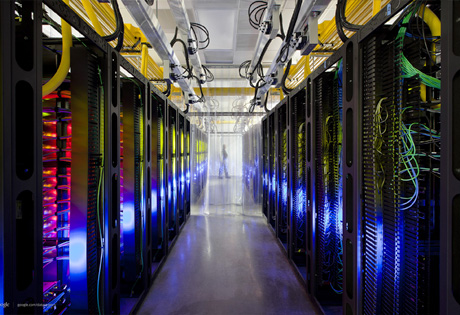
By the end of 2024, there will be 5,697 public data centers worldwide, including 5,186 colocation sites and 511 hyperscale sites.
Global Data Center Status and Trends

By the end of 2024, there will be 5,186 colocation data centers worldwide. With a compound annual growth rate (CAGR) of 6.6%, the number of colocation data centers will increase to 7,640 by 2030.
Where are The World's Data Centers?