Data Center Network Environment and Components
2023-10-13
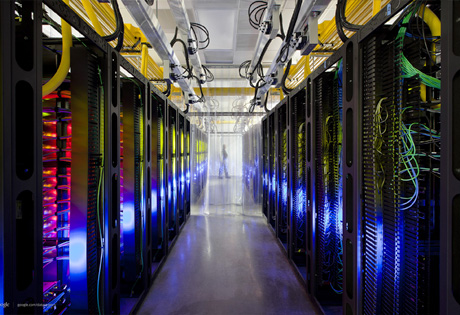
A data center network environment refers to the infrastructure and components that make up the networking system within a data center. Data centers are centralized locations where computing and networking equipment is concentrated for the purpose of collecting, storing, processing, distributing, or allowing access to large amounts of data. The network environment in a data center is critical for ensuring seamless communication between servers, storage devices, applications, and external networks. Here are the key aspects of a data center network environment:
1. Network Topology:
- Physical Topology: Data centers often use a hierarchical or spine-leaf network topology to ensure high availability and scalability.
- Logical Topology: Virtual LANs (VLANs) and subnets are implemented to logically segment the network for better security and traffic management.
- Physical Topology: Data centers often use a hierarchical or spine-leaf network topology to ensure high availability and scalability.
- Logical Topology: Virtual LANs (VLANs) and subnets are implemented to logically segment the network for better security and traffic management.
2. Networking Equipment:
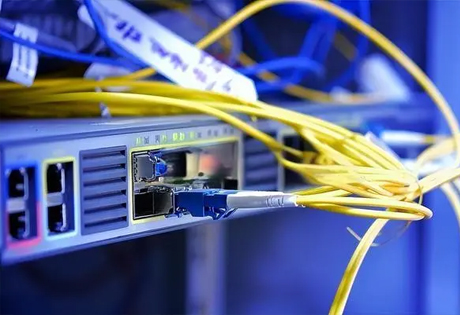
- Switches and Routers: High-performance switches and routers manage the flow of data within the data center and between the data center and external networks.
- Load Balancers: Distribute network or application traffic across multiple servers to ensure no single server is overwhelmed with too much traffic.
- Firewalls: Protect the data center from unauthorized access and cyber threats by controlling incoming and outgoing network traffic.
- Gateways: Connect the data center network to external networks, such as the internet or private wide area networks (WANs).
- Switches and Routers: High-performance switches and routers manage the flow of data within the data center and between the data center and external networks.
- Load Balancers: Distribute network or application traffic across multiple servers to ensure no single server is overwhelmed with too much traffic.
- Firewalls: Protect the data center from unauthorized access and cyber threats by controlling incoming and outgoing network traffic.
- Gateways: Connect the data center network to external networks, such as the internet or private wide area networks (WANs).
3. Storage Area Network (SAN):
- Fiber Channel: Often used for high-speed, reliable data transmission between servers and storage devices in a SAN environment.
- SAN Switches: Specialized switches that connect servers and storage devices in a SAN, enabling efficient data access and storage management.
- Fiber Channel: Often used for high-speed, reliable data transmission between servers and storage devices in a SAN environment.
- SAN Switches: Specialized switches that connect servers and storage devices in a SAN, enabling efficient data access and storage management.
4. Server Infrastructure:
- Blade Servers: Compact servers with a shared infrastructure, suitable for high-density data centers.
- Rack Servers: Servers mounted in standard server racks, allowing for easy scalability and maintenance.
- Server Virtualization: Technologies like VMware, Hyper-V, or KVM allow multiple virtual servers to run on a single physical server, optimizing resource utilization.
- Blade Servers: Compact servers with a shared infrastructure, suitable for high-density data centers.
- Rack Servers: Servers mounted in standard server racks, allowing for easy scalability and maintenance.
- Server Virtualization: Technologies like VMware, Hyper-V, or KVM allow multiple virtual servers to run on a single physical server, optimizing resource utilization.
5. Network Security:
- Intrusion Detection and Prevention Systems (IDPS): Monitor network traffic for suspicious activity and take actions to prevent potential security breaches.
- Encryption: Data transmitted within the data center network and to external networks may be encrypted to ensure confidentiality and integrity.
- Access Control: Strict access controls and authentication mechanisms are implemented to restrict access to sensitive data and systems.
- Intrusion Detection and Prevention Systems (IDPS): Monitor network traffic for suspicious activity and take actions to prevent potential security breaches.
- Encryption: Data transmitted within the data center network and to external networks may be encrypted to ensure confidentiality and integrity.
- Access Control: Strict access controls and authentication mechanisms are implemented to restrict access to sensitive data and systems.
6. Monitoring and Management:
- Network Monitoring Tools: Tools like Nagios, Zabbix, or Prometheus are used to monitor network performance, detect issues, and ensure uptime.
- Configuration Management: Tools like Ansible or Puppet automate the configuration and management of network devices and servers, ensuring consistency and efficiency.
- Resource Orchestration: Software-defined networking (SDN) and network function virtualization (NFV) technologies enable automated network provisioning and management.
- Network Monitoring Tools: Tools like Nagios, Zabbix, or Prometheus are used to monitor network performance, detect issues, and ensure uptime.
- Configuration Management: Tools like Ansible or Puppet automate the configuration and management of network devices and servers, ensuring consistency and efficiency.
- Resource Orchestration: Software-defined networking (SDN) and network function virtualization (NFV) technologies enable automated network provisioning and management.
7. Redundancy and High Availability:
- Redundant Components: Redundant power supplies, network connections, and storage devices are essential to ensure continuous operation even if one component fails.
- Failover Mechanisms: Protocols and mechanisms are in place to automatically switch to backup systems or connections if a primary component fails.
- Disaster Recovery: Plans and backup systems are prepared to recover data and services in case of a catastrophic event.
- Redundant Components: Redundant power supplies, network connections, and storage devices are essential to ensure continuous operation even if one component fails.
- Failover Mechanisms: Protocols and mechanisms are in place to automatically switch to backup systems or connections if a primary component fails.
- Disaster Recovery: Plans and backup systems are prepared to recover data and services in case of a catastrophic event.
8. Scalability and Flexibility:
- Elasticity: The network should be designed to scale horizontally or vertically to accommodate changing workloads and demands.
- Software-Defined Networking (SDN): SDN allows for flexible and programmable network configurations, enabling dynamic adjustments based on traffic patterns and application requirements.
- Elasticity: The network should be designed to scale horizontally or vertically to accommodate changing workloads and demands.
- Software-Defined Networking (SDN): SDN allows for flexible and programmable network configurations, enabling dynamic adjustments based on traffic patterns and application requirements.
9. Green Computing:
- Energy Efficiency: Data centers are designed with energy-efficient technologies and cooling systems to reduce the environmental impact and operational costs.
A well-designed and efficiently managed data center network environment is crucial for the smooth operation of applications and services, ensuring high performance, security, and reliability. Technologies and best practices in this field continue to evolve, with a focus on automation, virtualization, and security to meet the growing demands of modern businesses.
100G Optical Module and Silicon Photonics Technology
Digital Diagnostic Function (DDM) for Optical transceiver
Related Article
By the end of 2024, there will be 5,697 public data centers worldwide, including 5,186 colocation sites and 511 hyperscale sites.
Global Data Center Status and Trends
By the end of 2024, there will be 5,186 colocation data centers worldwide. With a compound annual growth rate (CAGR) of 6.6%, the number of colocation data centers will increase to 7,640 by 2030.
Where are The World's Data Centers?