Optical Transceiver Selection Guide: Single-Mode vs Multimode
2023-12-07
Fiber optic transceivers play a critical role in enabling high-speed data transmission over optical fiber networks. When selecting transceivers, it's crucial to understand the distinctions between single-mode and multimode fiber optics. This comprehensive guide will delve into key factors to consider when choosing between single-mode and multimode fiber optic transceivers.

1. Basics of Single-Mode and Multimode Fiber:
a. Single-Mode Fiber (SMF):
- Designed for long-distance communication.
- Core diameter: 9 microns.
- Light travels in a single mode, reducing signal dispersion.
- Ideal for high-bandwidth applications over extended distances.
- Designed for long-distance communication.
- Core diameter: 9 microns.
- Light travels in a single mode, reducing signal dispersion.
- Ideal for high-bandwidth applications over extended distances.
b. Multimode Fiber (MMF):
- Suited for shorter-distance transmissions.
- Core diameter: 50 or 62.5 microns.
- Multiple modes of light propagation, leading to modal dispersion.
- Cost-effective for local area networks (LANs) and shorter links.
- Suited for shorter-distance transmissions.
- Core diameter: 50 or 62.5 microns.
- Multiple modes of light propagation, leading to modal dispersion.
- Cost-effective for local area networks (LANs) and shorter links.
2. Distance Considerations:
a. Single-Mode:
- Optimal for long-distance transmissions, typically exceeding 10 km.
- Low signal attenuation allows for extended reach.
- Suitable for telecommunications, metropolitan area networks (MANs), and long-haul connections.
- Optimal for long-distance transmissions, typically exceeding 10 km.
- Low signal attenuation allows for extended reach.
- Suitable for telecommunications, metropolitan area networks (MANs), and long-haul connections.
b. Multimode:
- Best for shorter distances, typically within 550 meters.
- Higher attenuation limits transmission distance.
- Commonly deployed in data centers, campus networks, and short-distance links.
- Best for shorter distances, typically within 550 meters.
- Higher attenuation limits transmission distance.
- Commonly deployed in data centers, campus networks, and short-distance links.
3. Data Rates and Bandwidth:
a. Single-Mode:
- Supports higher data rates, including 10G, 40G, and 100G.
- Greater bandwidth allows for increased capacity.
- Ideal for high-speed applications requiring maximum throughput.
- Supports higher data rates, including 10G, 40G, and 100G.
- Greater bandwidth allows for increased capacity.
- Ideal for high-speed applications requiring maximum throughput.
b. Multimode:
- Typically used for lower data rates, up to 10G.
- Bandwidth limitations may pose challenges for future high-speed upgrades.
- Suitable for applications with moderate data transmission requirements.
- Typically used for lower data rates, up to 10G.
- Bandwidth limitations may pose challenges for future high-speed upgrades.
- Suitable for applications with moderate data transmission requirements.
4. Cost Considerations:
a. Single-Mode:
- Initial installation costs may be higher due to the precision required for long-distance communication.
- Cost-effective for large-scale deployments over extensive networks.
- Initial installation costs may be higher due to the precision required for long-distance communication.
- Cost-effective for large-scale deployments over extensive networks.
b. Multimode:
- Generally more economical for shorter distances.
- Affordable for LANs and connections within a confined geographical area.
- Generally more economical for shorter distances.
- Affordable for LANs and connections within a confined geographical area.
5. Compatibility and Interoperability:
a. Single-Mode:
- Provides interoperability with various networking equipment.
- Commonly used in telecommunications and backbone networks.
- Provides interoperability with various networking equipment.
- Commonly used in telecommunications and backbone networks.
b. Multimode:
- Compatibility with a wide range of networking gear, making it suitable for diverse applications.
- Often chosen for connections within buildings or data centers.
- Compatibility with a wide range of networking gear, making it suitable for diverse applications.
- Often chosen for connections within buildings or data centers.
6. Future-Proofing:
a. Single-Mode:
- Better suited for future upgrades to higher data rates.
- Long-term investment for evolving network requirements.
- Better suited for future upgrades to higher data rates.
- Long-term investment for evolving network requirements.
b. Multimode:
- May require infrastructure upgrades when transitioning to higher data rates.
- Suitable for applications where long-term scalability is not a primary concern.
- May require infrastructure upgrades when transitioning to higher data rates.
- Suitable for applications where long-term scalability is not a primary concern.
Conclusion:
Selecting the right fiber optic transceiver involves a careful evaluation of factors such as distance requirements, data rates, cost considerations, and future-proofing. By understanding the characteristics of single-mode and multimode fiber optics, network planners can make informed decisions that align with the specific needs of their infrastructure, ensuring optimal performance and scalability.
Selecting the right fiber optic transceiver involves a careful evaluation of factors such as distance requirements, data rates, cost considerations, and future-proofing. By understanding the characteristics of single-mode and multimode fiber optics, network planners can make informed decisions that align with the specific needs of their infrastructure, ensuring optimal performance and scalability.
Wodata is founded in 2003 to provide the most cost-effective solution to the problems in the optical communication of telecom networks and data centers. Has its own trade mark and located in Shenzhen with more than 12 people in R&D team.Wodata is obsessively passionate about designing, engineering and manufacturing optical transceivers and components to help our customers better.
Wotada is a value added resource for our clients. We provide a widely diversified transceiver portfolio with excellent quality and low cost including SFP/SFP+/XFP/Xenpak/X2/QSFP+/QSFP28/CFP/CFP2/QSFP-DD/AOC/DAC. The technology in optical communication is ever developing, our talented engineering team enables us to keep up and deliver the products as the customer demands.
Wotada is a value added resource for our clients. We provide a widely diversified transceiver portfolio with excellent quality and low cost including SFP/SFP+/XFP/Xenpak/X2/QSFP+/QSFP28/CFP/CFP2/QSFP-DD/AOC/DAC. The technology in optical communication is ever developing, our talented engineering team enables us to keep up and deliver the products as the customer demands.
How to Determine The Transceiver End of The Optical Module
Understanding Layer 2 and Layer 3 Switches
Related Article
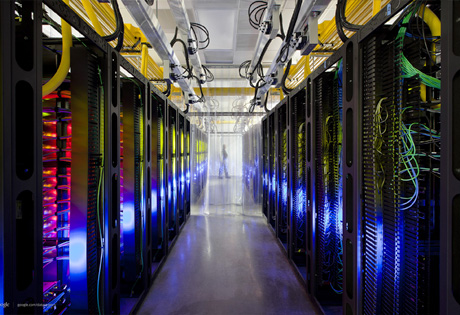
By the end of 2024, there will be 5,697 public data centers worldwide, including 5,186 colocation sites and 511 hyperscale sites.
Global Data Center Status and Trends

By the end of 2024, there will be 5,186 colocation data centers worldwide. With a compound annual growth rate (CAGR) of 6.6%, the number of colocation data centers will increase to 7,640 by 2030.
Where are The World's Data Centers?