What are the Types of Huawei Switches?
2024-04-11
Huawei Technologies, a global leader in telecommunications equipment and networking solutions, offers a diverse range of switches catering to various enterprise, data center, and carrier-grade networking requirements. These switches are classified based on several factors, including their intended use case, performance capabilities, scalability, and features. Let's delve into the classifications of Huawei switches to gain a comprehensive understanding of their portfolio.
1. Classification by Use Case:
a. Campus Switches:
Huawei offers a comprehensive lineup of switches designed for campus network environments, including small to large-scale enterprises, educational institutions, and government organizations. These switches are optimized for high-performance, reliability, and ease of management in campus LAN (Local Area Network) deployments. They typically feature advanced security, Quality of Service (QoS), and management functionalities to meet the diverse networking needs of campus environments.
Huawei offers a comprehensive lineup of switches designed for campus network environments, including small to large-scale enterprises, educational institutions, and government organizations. These switches are optimized for high-performance, reliability, and ease of management in campus LAN (Local Area Network) deployments. They typically feature advanced security, Quality of Service (QoS), and management functionalities to meet the diverse networking needs of campus environments.
b. Data Center Switches:
Huawei's data center switches are tailored for the demanding requirements of modern data center environments, including cloud computing, virtualization, and high-density server deployments. These switches deliver high bandwidth, low latency, and massive scalability to support the dynamic nature of data center workloads. They often feature advanced fabric architectures, converged networking capabilities, and programmable interfaces to enable agile and efficient data center networking.
Huawei's data center switches are tailored for the demanding requirements of modern data center environments, including cloud computing, virtualization, and high-density server deployments. These switches deliver high bandwidth, low latency, and massive scalability to support the dynamic nature of data center workloads. They often feature advanced fabric architectures, converged networking capabilities, and programmable interfaces to enable agile and efficient data center networking.
c. Carrier-Grade Switches:
Huawei offers carrier-grade switches designed for telecommunications service providers and network operators to build scalable and resilient infrastructure for broadband access, metro, and core networks. These switches are optimized for high availability, reliability, and carrier-class performance to meet the stringent demands of carrier-grade networks. They support features such as MPLS (Multiprotocol Label Switching), Carrier Ethernet, and network slicing to deliver differentiated services and enable network transformation.
Huawei offers carrier-grade switches designed for telecommunications service providers and network operators to build scalable and resilient infrastructure for broadband access, metro, and core networks. These switches are optimized for high availability, reliability, and carrier-class performance to meet the stringent demands of carrier-grade networks. They support features such as MPLS (Multiprotocol Label Switching), Carrier Ethernet, and network slicing to deliver differentiated services and enable network transformation.
2. Classification by Form Factor:
a. Fixed-Configuration Switches:
Huawei's fixed-configuration switches come in compact form factors with a fixed number of ports and built-in features. These switches are ideal for small to medium-sized networks where simplicity, cost-effectiveness, and ease of deployment are paramount. They are available in various port densities and speeds, ranging from Fast Ethernet (FE) and Gigabit Ethernet (GE) to 10 Gigabit Ethernet (10GE) and beyond.
Huawei's fixed-configuration switches come in compact form factors with a fixed number of ports and built-in features. These switches are ideal for small to medium-sized networks where simplicity, cost-effectiveness, and ease of deployment are paramount. They are available in various port densities and speeds, ranging from Fast Ethernet (FE) and Gigabit Ethernet (GE) to 10 Gigabit Ethernet (10GE) and beyond.
b. Modular Switches:
Huawei's modular switches feature a chassis-based design with interchangeable line cards and modules, allowing for flexible configuration and scalability. These switches are suitable for large-scale networks requiring high port densities, advanced features, and seamless expansion capabilities. They support hot-swappable modules, redundant power supplies, and high-availability features to ensure uninterrupted operation in mission-critical environments.
Huawei's modular switches feature a chassis-based design with interchangeable line cards and modules, allowing for flexible configuration and scalability. These switches are suitable for large-scale networks requiring high port densities, advanced features, and seamless expansion capabilities. They support hot-swappable modules, redundant power supplies, and high-availability features to ensure uninterrupted operation in mission-critical environments.
3. Classification by Performance and Scalability:
a. Entry-Level Switches:
Huawei offers entry-level switches targeting small and medium-sized businesses (SMBs) or branch office deployments with basic networking requirements. These switches provide essential features such as VLAN (Virtual Local Area Network) support, basic QoS, and simple management interfaces at an affordable price point.
Huawei offers entry-level switches targeting small and medium-sized businesses (SMBs) or branch office deployments with basic networking requirements. These switches provide essential features such as VLAN (Virtual Local Area Network) support, basic QoS, and simple management interfaces at an affordable price point.
b. Mid-Range Switches:
Mid-range switches from Huawei offer a balance of performance, features, and affordability, making them suitable for growing enterprises or campus networks with moderate traffic loads. These switches typically offer advanced features such as Layer 3 routing, PoE (Power over Ethernet), and enhanced security capabilities while maintaining scalability and ease of management.
Mid-range switches from Huawei offer a balance of performance, features, and affordability, making them suitable for growing enterprises or campus networks with moderate traffic loads. These switches typically offer advanced features such as Layer 3 routing, PoE (Power over Ethernet), and enhanced security capabilities while maintaining scalability and ease of management.
c. High-End Switches:
Huawei's high-end switches are designed for demanding environments requiring high performance, scalability, and advanced features. These switches offer industry-leading throughput, low latency, and extensive feature sets to meet the requirements of data-intensive applications, virtualization, and multimedia streaming. They are often deployed in large enterprises, data centers, and carrier networks where performance and reliability are critical.
Huawei's high-end switches are designed for demanding environments requiring high performance, scalability, and advanced features. These switches offer industry-leading throughput, low latency, and extensive feature sets to meet the requirements of data-intensive applications, virtualization, and multimedia streaming. They are often deployed in large enterprises, data centers, and carrier networks where performance and reliability are critical.
4. Classification by Feature Set:
a. Access Switches:
Access switches are designed to connect end-user devices such as computers, printers, and IP phones to the network. Huawei's access switches typically offer features such as PoE/PoE+, access control, and user authentication to provide secure and reliable connectivity to network endpoints.
Access switches are designed to connect end-user devices such as computers, printers, and IP phones to the network. Huawei's access switches typically offer features such as PoE/PoE+, access control, and user authentication to provide secure and reliable connectivity to network endpoints.
b. Distribution Switches:
Distribution switches serve as aggregation points in the network, connecting access switches to the core or data center infrastructure. Huawei's distribution switches offer advanced routing, VLAN segmentation, and Quality of Service (QoS) capabilities to optimize traffic flow and ensure efficient communication between network segments.
Distribution switches serve as aggregation points in the network, connecting access switches to the core or data center infrastructure. Huawei's distribution switches offer advanced routing, VLAN segmentation, and Quality of Service (QoS) capabilities to optimize traffic flow and ensure efficient communication between network segments.
c. Core Switches:
Core switches form the backbone of the network, providing high-speed connectivity and packet forwarding for mission-critical applications and services. Huawei's core switches are designed for high availability, scalability, and performance, with features such as non-blocking architecture, hardware redundancy, and extensive routing and switching capabilities.
Core switches form the backbone of the network, providing high-speed connectivity and packet forwarding for mission-critical applications and services. Huawei's core switches are designed for high availability, scalability, and performance, with features such as non-blocking architecture, hardware redundancy, and extensive routing and switching capabilities.
5. Classification by Industry Standards and Protocols:
a. Ethernet Switches:
Huawei's Ethernet switches conform to industry standards such as IEEE 802.3 for Ethernet networking, offering compatibility with a wide range of network devices and protocols. These switches support various Ethernet standards and technologies, including 10/100/1000BASE-T, 10GBASE-T, and Ethernet over Copper (EoC), to meet diverse connectivity requirements.
Huawei's Ethernet switches conform to industry standards such as IEEE 802.3 for Ethernet networking, offering compatibility with a wide range of network devices and protocols. These switches support various Ethernet standards and technologies, including 10/100/1000BASE-T, 10GBASE-T, and Ethernet over Copper (EoC), to meet diverse connectivity requirements.
b. IP/MPLS Switches:
Huawei's IP/MPLS switches combine Ethernet switching with MPLS routing capabilities, providing a unified platform for converged IP/MPLS networks. These switches support MPLS-based services such as VPN (Virtual Private Network), traffic engineering, and QoS, enabling service providers to deliver scalable, differentiated services over their networks.
In summary, Huawei offers a comprehensive range of switches tailored to different use cases, form factors, performance levels, feature sets, and industry standards. Whether it's for campus networks, data centers, or carrier-grade deployments, Huawei switches are designed to deliver high performance, scalability, reliability, and flexibility to meet the evolving needs of modern networking environments.
The Channels of Optical Transceiver
Optical Transceiver Brand Compatibility
Related Article
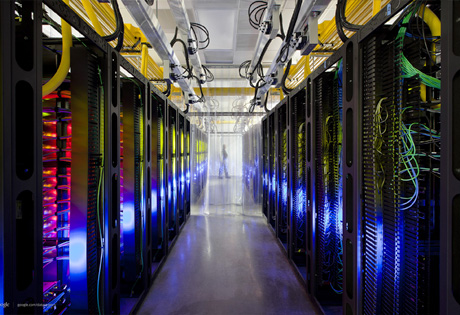
By the end of 2024, there will be 5,697 public data centers worldwide, including 5,186 colocation sites and 511 hyperscale sites.
Global Data Center Status and Trends

By the end of 2024, there will be 5,186 colocation data centers worldwide. With a compound annual growth rate (CAGR) of 6.6%, the number of colocation data centers will increase to 7,640 by 2030.
Where are The World's Data Centers?